Commercial roof inspection and planning

Commercial Roof Coating in Anthem

Anthem Roof Coating

Deer Valley Roof Coating coats commercial roofs in Anthem. For multi-building sites, the work plan must account for tenants, deliveries, rooftop access, and shared drive lanes. We review each roof area, separate coating-ready surfaces from repair-first conditions, and shape practical phases around how the property operates.

Five approved commercial roofing systems

Phased planning for multi-building sites

Tenant and delivery access considered

Condition-led material selection

Plan Around How Your Site Operates

Plan Around How Your Site Operates

Shared access routes can affect every roof decision on an active commercial property. A phased plan gives owners and facility managers a clear sequence for roof areas, staging, tenant notices, and delivery movement.

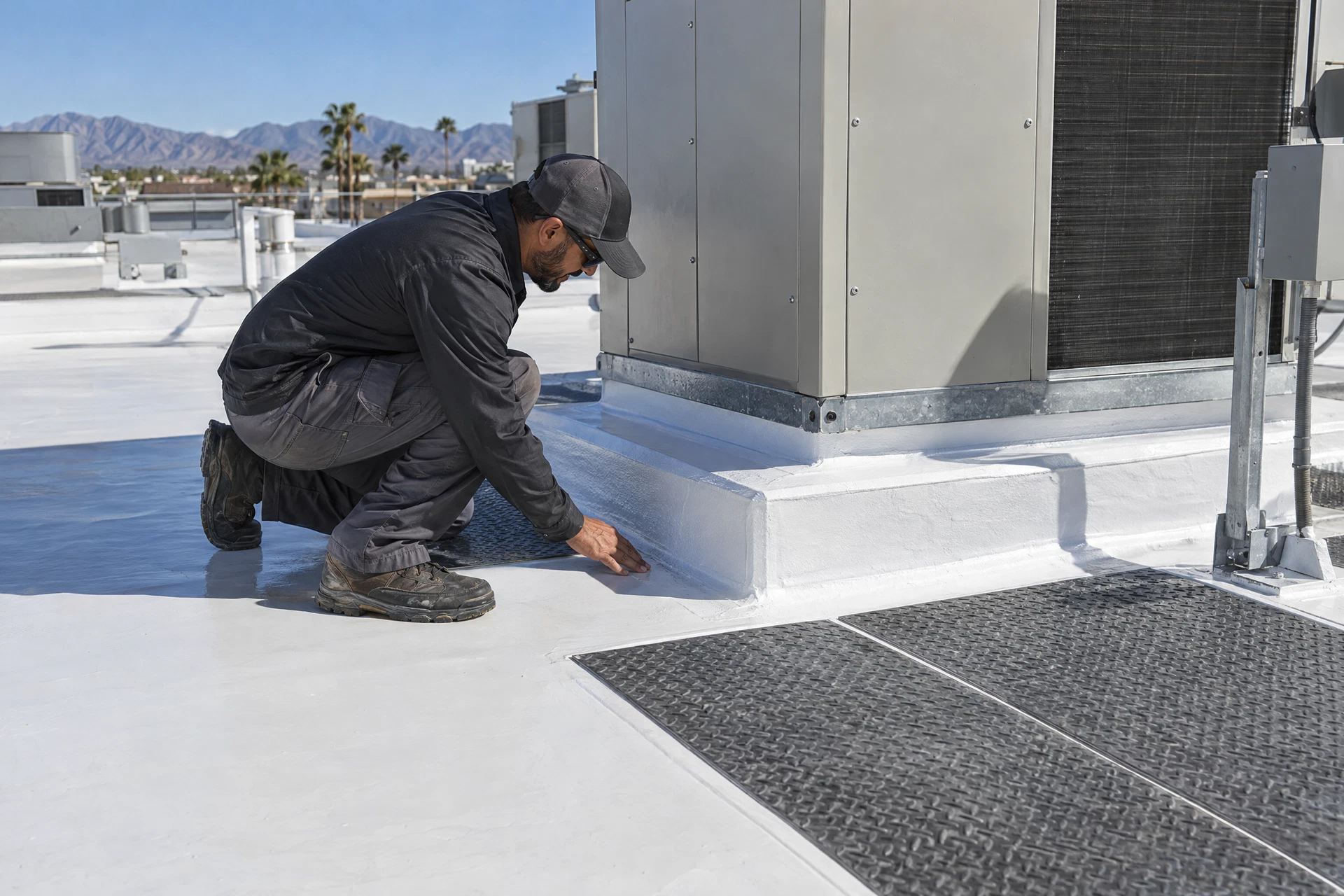
Commercial roof access and inspection planning

Map Buildings Before Materials

A multi-building property may include several roof ages, substrates, equipment zones, and access points. Reviewing those areas together helps identify where one approved system may fit and where a separate inspection or repair decision is needed.

  • Building-by-building roof notes
  • Equipment and penetration locations
  • Shared route and staging considerations
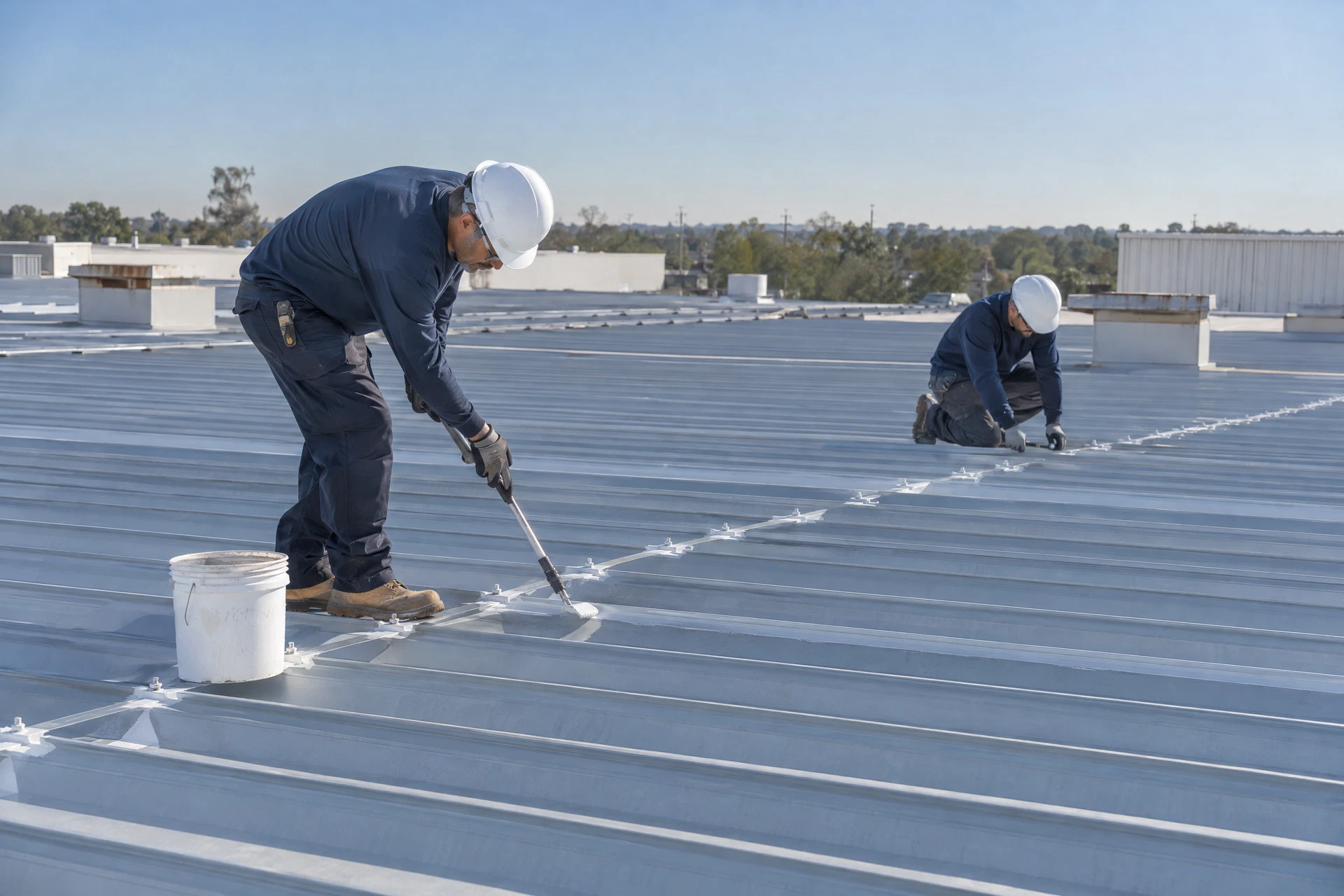
Keep Occupied Areas In View

Tenant entrances, loading areas, parking lanes, and service routes should be part of the work conversation. The sequence can place attention on one roof area while other parts of the property continue their normal operations.

  • Tenant notice points
  • Delivery timing questions
  • Access route coordination

Use Clear Phase Boundaries

Each phase should identify the roof area under review, preparation work, material choice, access needs, and conditions that require a different decision. That gives the property team a usable scope instead of one broad roof label.

  • Defined roof sections
  • Visible preparation requirements
  • Condition notes for later phases

Roof Conditions That Shape the Plan

Roof Conditions That Shape the Plan

Coating is a surface system, so the existing roof must be reviewed before material selection. These checkpoints help property owners understand what can change the sequence or move an area into repair-first consideration.

Open Seams and Joints

Metal panels, laps, and joints need close review before coating. Open or moving details may need preparation or repair evaluation before a coating system can be considered for that roof section.

Aged or Loose Surface

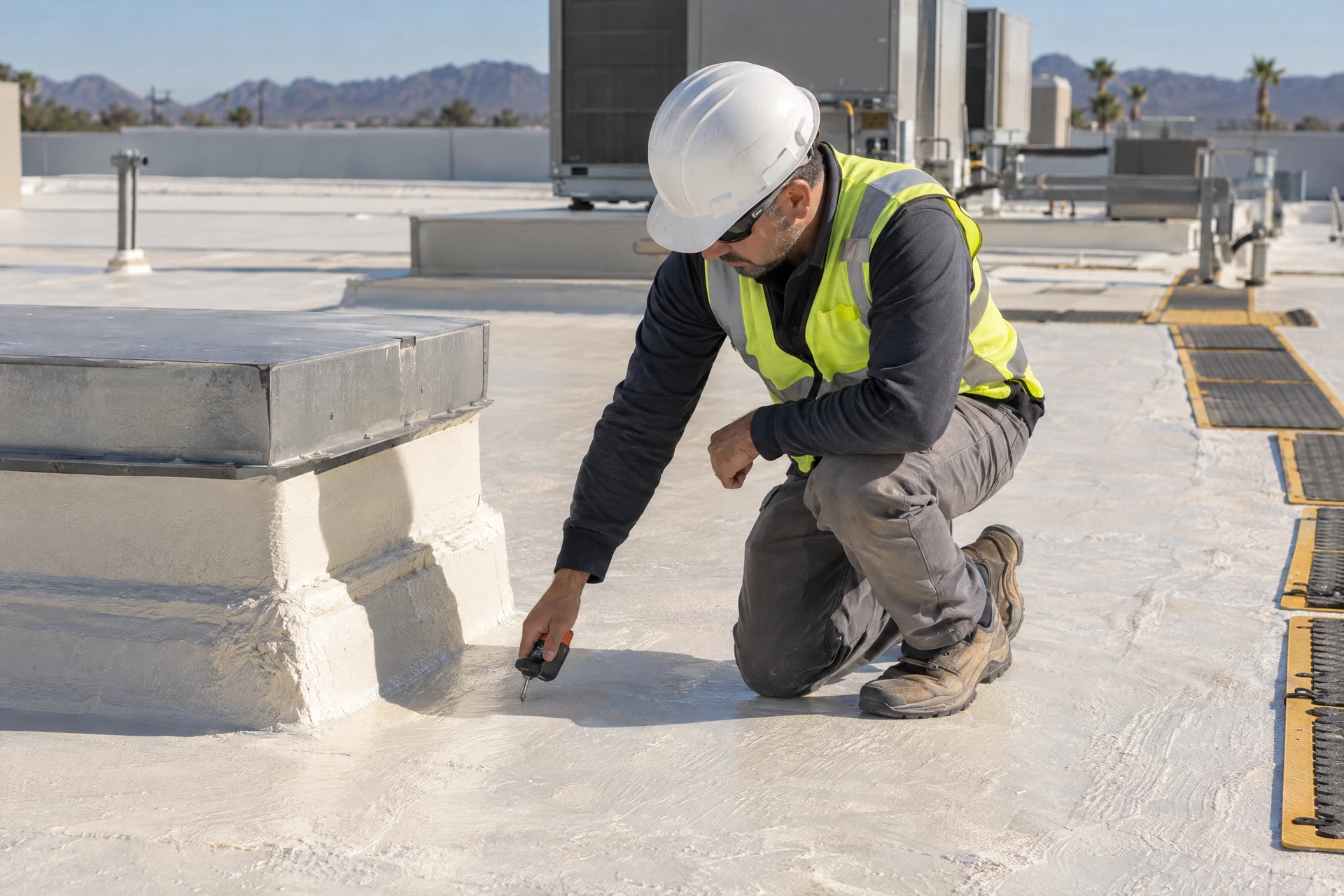
Dust, chalking, loose granules, failing finish, and weak adhesion can limit the usefulness of a new coating. Surface preparation and a suitable adhesion check guide the next step.

Roof Penetrations

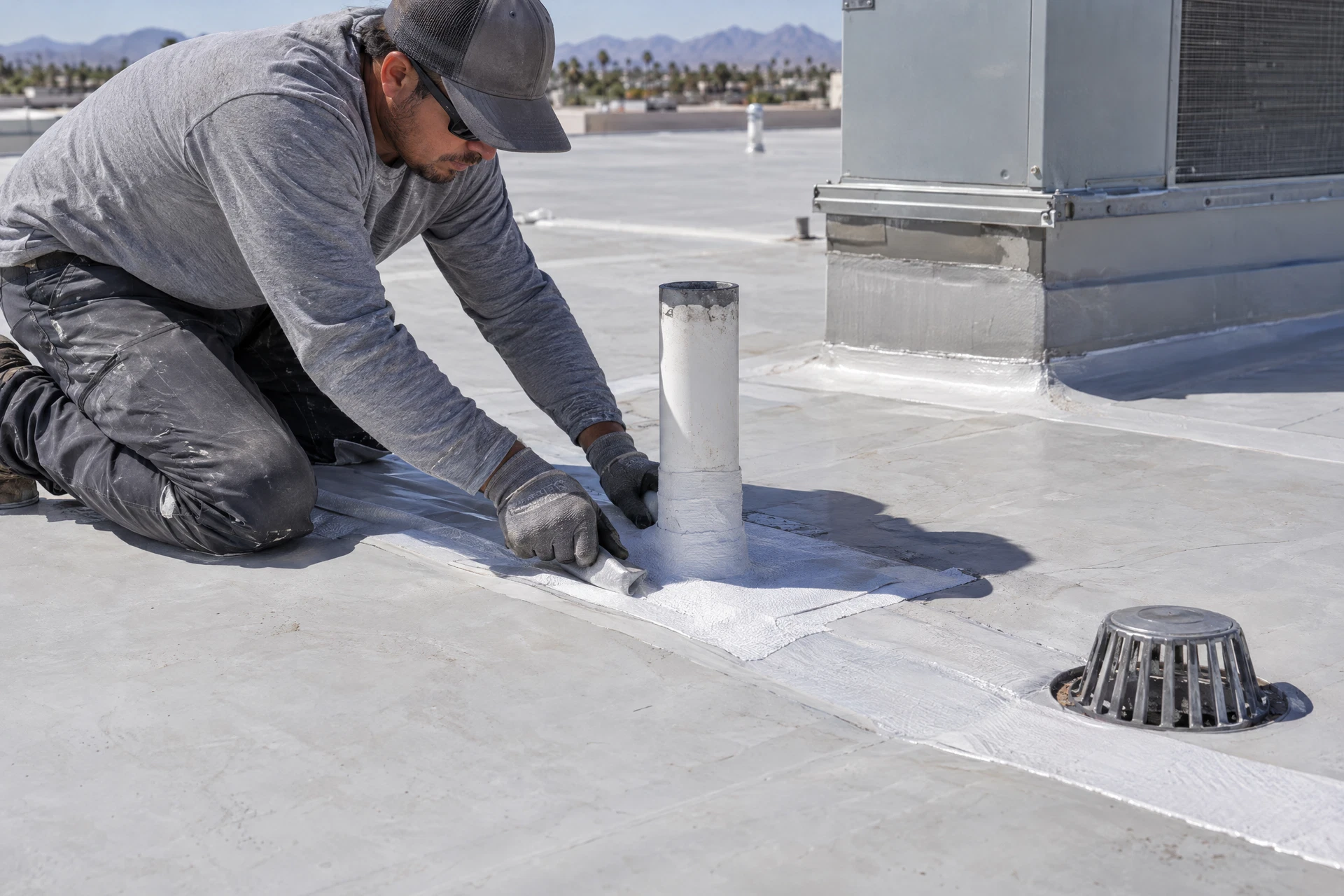
Curbs, pipes, vents, drains, and equipment supports create detail areas that deserve individual attention. A coating plan should show how those transitions will be prepared and treated.

Moisture Below the Surface

Visible dryness does not establish the condition of insulation or concealed roof layers. Moisture concerns require investigation. A coating should not be presented as a cure for wet insulation.

Drainage Concerns

A coating does not fix drainage or redesign roof slope. Areas with recurring water concerns need a separate condition discussion before a coating option is selected.

Shared Work Access

A roof area can be technically suitable and still require careful access planning. Delivery paths, tenant movement, equipment service, and safe staging belong in the phase review.

Benefits of Coating Your Roof

Benefits of Coating Your Roof

When the existing roof passes the condition and compatibility review, coating can give a commercial property a defined surface treatment plan. The practical value comes from matching the system to the roof and operating constraints.

A Clearer Roof Scope

An inspection-led coating plan identifies roof sections, detail work, preparation, and repair-first areas. Owners can discuss a defined scope with facility teams before work is staged.

Phased Work by Building

Multi-building properties can evaluate work in manageable roof areas. Phasing supports conversations about tenant notices, deliveries, shared routes, and the order in which areas are addressed.

System Choice With Context

Metal, silicone, acrylic, spray foam, and shingle systems have different fit questions. Reviewing substrate, details, moisture, and access keeps the material discussion tied to the actual roof.

A Record for Future Decisions

Condition notes, preparation needs, and roof-area boundaries give property teams useful reference points when they revisit maintenance, recoating, repair, or replacement decisions.

Commercial Roof Coating Options for Anthem

Commercial Roof Coating Options for Anthem

Deer Valley Roof Coating offers five approved commercial roofing systems. The right option depends on the existing roof, surface condition, details, moisture questions, and the operating needs of the property.

Commercial roofing detail for Spray Foam Roofing

Spray Foam Roofing

Spray foam roofing requires a dry, suitable substrate, controlled application conditions, and protection planning around equipment and occupied areas. Foam condition and topcoat needs guide the review.

Explore Spray Foam Roofing

A Practical Anthem Coating Process

A Practical Anthem Coating Process

The process keeps roof condition, property operations, and material fit in the same conversation. Each step creates a decision point before the next phase moves forward.

  1. 01

    Inspect Your Roof

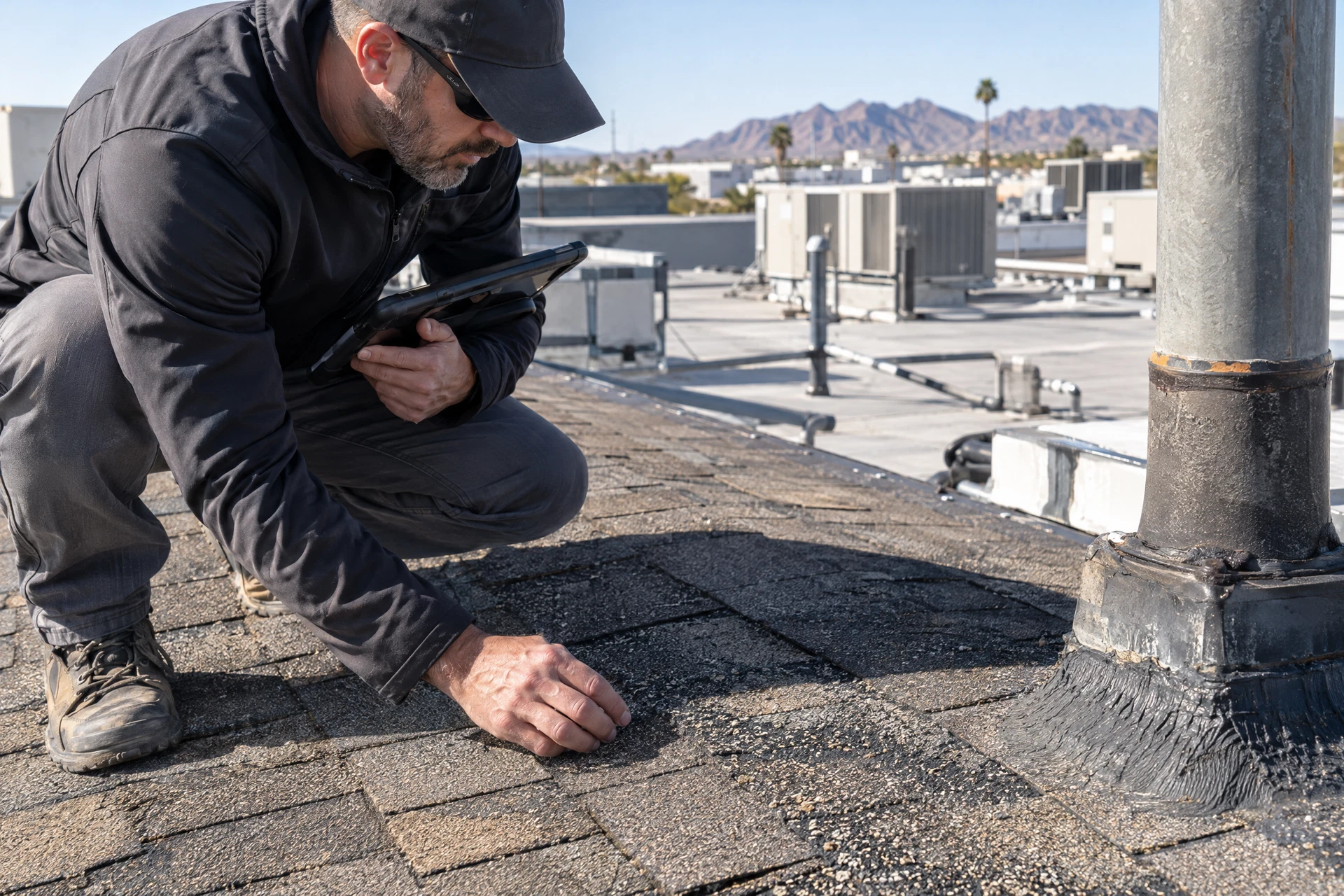
    Review roof sections, substrate condition, seams, penetrations, equipment zones, access routes, and visible signs of moisture or drainage concern. Multi-building sites are considered by area instead of treated as one uniform surface.

  2. 02

    Separate Ready and Repair-First Areas

    Mark areas that may be suitable for coating and areas that need further repair, moisture investigation, structural attention, or replacement consideration. A coating does not resolve those underlying conditions.

  3. 03

    Choose the Coating System

    Compare the five approved options against the roof substrate, adhesion needs, detail conditions, application requirements, and operating constraints. The material decision follows the roof review.

  4. 04

    Set the Work Phases

    Organize roof areas around tenant notices, deliveries, equipment access, shared routes, staging, and the sequence that best fits the property. The phase plan should identify preparation and access needs.

  5. 05

    Apply and Review the Work Area

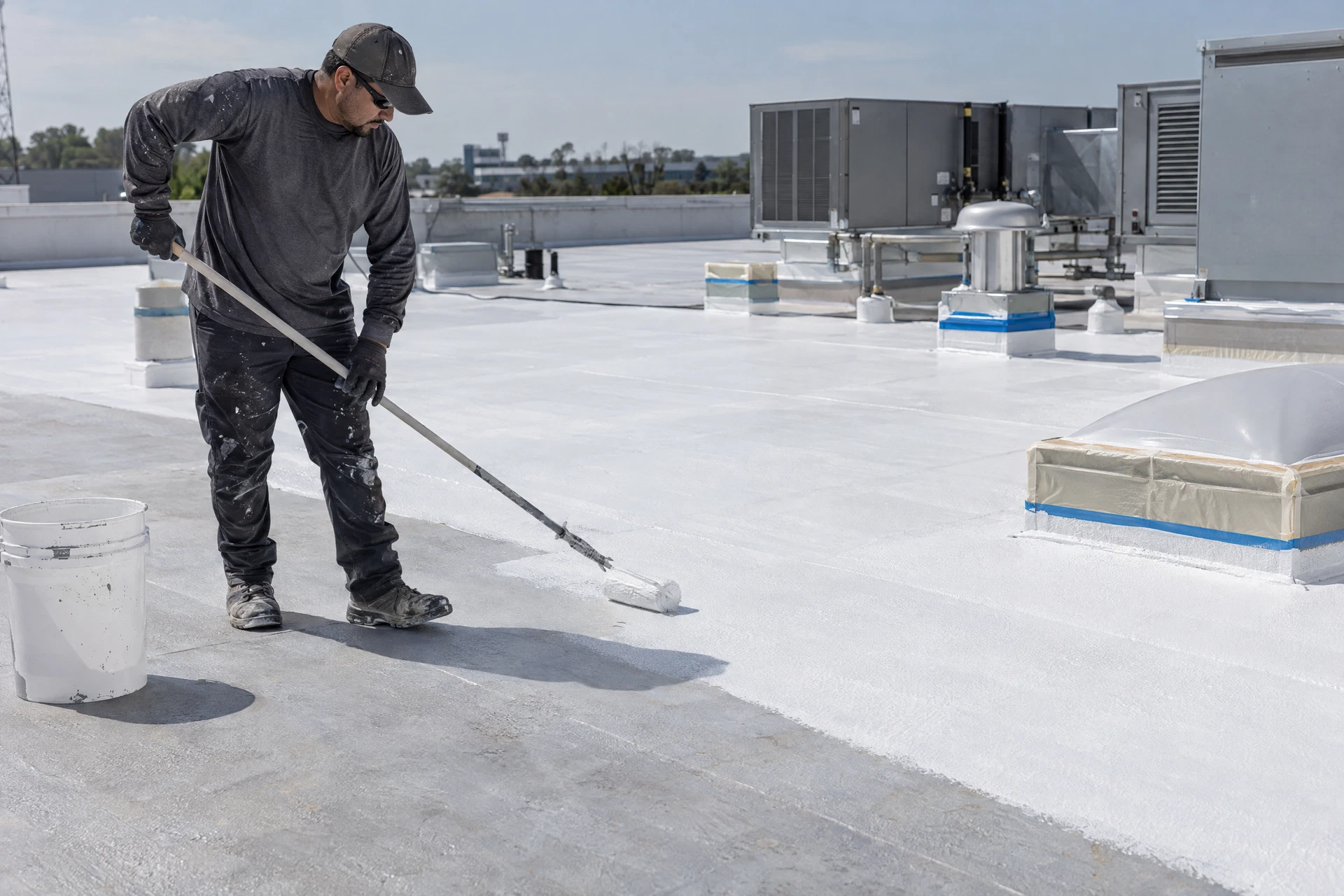
    Prepare the selected area, address approved details, apply the chosen system, and review the completed phase against the defined scope. Later areas remain subject to their own condition review.

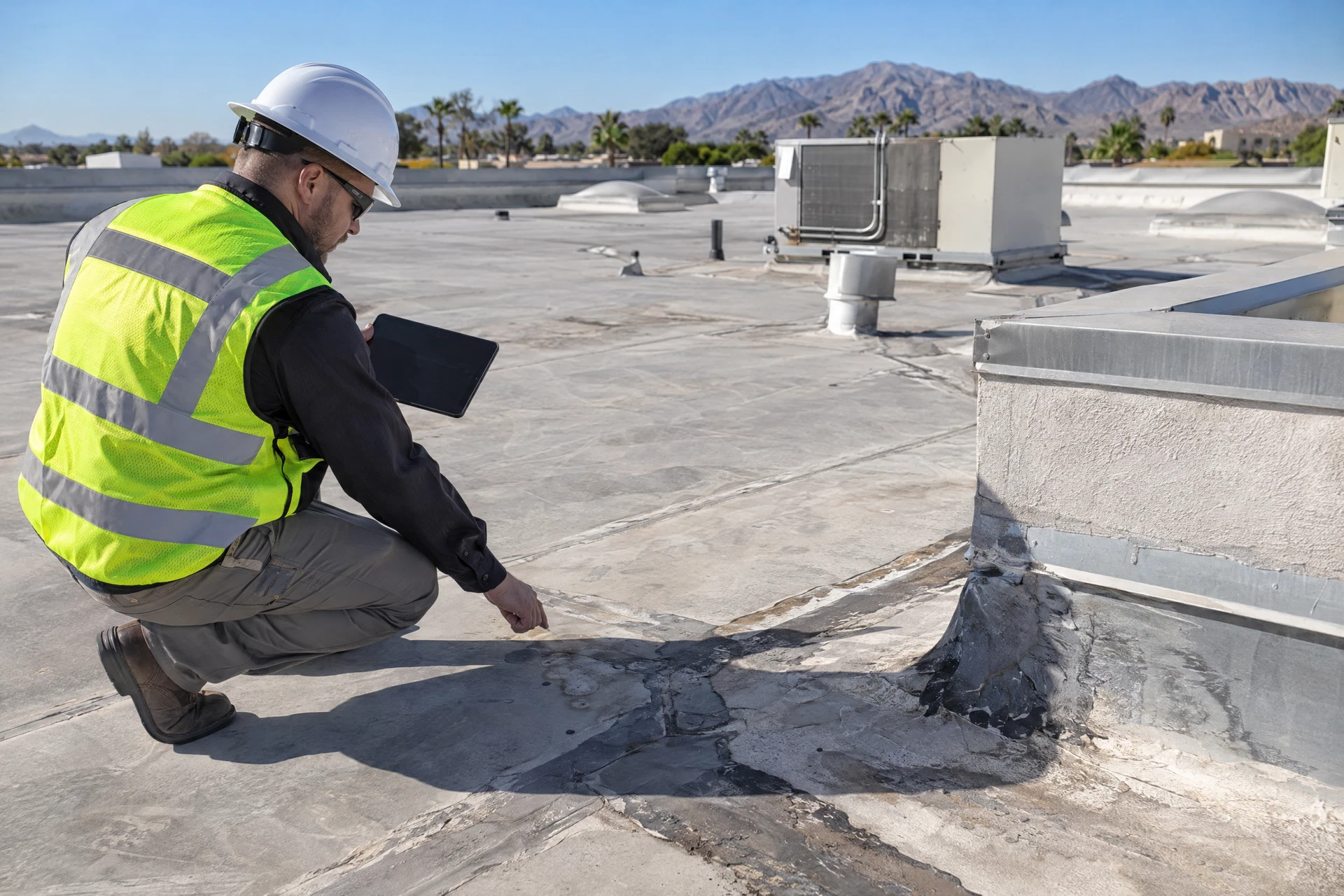
Commercial roof detail inspection

Before Work Is Phased

Before Work Is Phased

A short coordination checklist helps the property team surface operational details early. It also keeps access questions from being buried inside a general roof description.

Identify Every Building

List the buildings, roof sections, occupied areas, equipment zones, and shared routes included in the discussion.

  • Building names or internal labels
  • Roof access points
  • Known tenant-facing areas

Mark Delivery Movement

Note loading areas, delivery lanes, vendor routes, and times when access must remain available for normal property operations.

  • Loading and unloading zones
  • Service vehicle paths
  • Restricted movement periods

List Roof Concerns

Record visible leaks, ponding concerns, loose materials, damaged details, equipment changes, and areas that need closer investigation.

  • Leak locations
  • Detail and penetration concerns
  • Areas requiring repair review

Prepare Tenant Notices

Decide which tenants, vendors, or building users may need advance information about roof access, staging, noise, or temporary route changes.

  • Notice recipients
  • Access information
  • Property contact for questions

Anthem Roof Coating Questions

Anthem Roof Coating Questions

Property owners and facility managers often need the operating details before they choose a coating system. These answers keep the scope grounded in roof condition and commercial site coordination.

Can roof coating be phased across several commercial buildings?

Yes, a multi-building site can be reviewed and organized by roof area. Phasing should account for each roof’s condition, material fit, equipment access, tenant notices, deliveries, and shared routes. Each phase remains subject to its own inspection. A property-wide label should not replace building-specific condition notes or preparation requirements.

How should tenants be notified about commercial roof coating work?

Tenant communication should explain the affected building or roof area, expected access changes, delivery considerations, equipment locations, and the property contact for operational questions. The notice should match the actual phase rather than describe the entire site at once. Coordination details depend on the property’s circulation and occupancy pattern.

Which commercial roof coating options are available in Anthem?

The approved options are Metal Roof Coating, Silicone Roof Coating, Acrylic Roof Coating, Spray Foam Roofing, and Shingle Roof Coating. Availability of an option does not establish fit. Roof substrate, surface condition, moisture questions, penetrations, adhesion, preparation, and application conditions must be reviewed before selection.

Can coating fix a drainage problem on a commercial roof?

No. Coating does not correct drainage design, change roof slope, or resolve every area where water remains. Drainage concerns require separate review before a coating scope is selected. The inspection should identify visible water patterns and affected details, then distinguish those concerns from surface preparation and coating work.

What happens when one building is ready and another needs repairs?

The buildings can be separated into different decisions. A coating-ready area may move into preparation and phasing, while another area may need repair, moisture investigation, structural review, or replacement consideration. Keeping those scopes distinct gives the property team a clearer basis for planning and prevents coating language from covering unresolved conditions.

How do deliveries and shared access routes affect the work plan?

They affect staging, material movement, equipment placement, and the order of roof areas. The plan should identify loading zones, service paths, tenant entrances, and route restrictions before a phase begins. A property team can then coordinate notices and access around the selected roof area rather than react to conflicts during the work.

Discuss Your Anthem Roof

Discuss Your Anthem Roof

Deer Valley Roof Coating coats commercial roofs and reviews the roof condition, system fit, and site coordination needs before a phase is defined. Call us at +1 (623) 310-0168 or request a clear starting scope.

Roof Questions?

Talk About Your Commercial Roof

Leave your name and phone number, or call now to discuss the roof condition.

Call Us
Call Us+1 (623) 310-0168