Commercial roof inspection and planning

Commercial roof coating for North Gateway properties

North Gateway Roof Coating

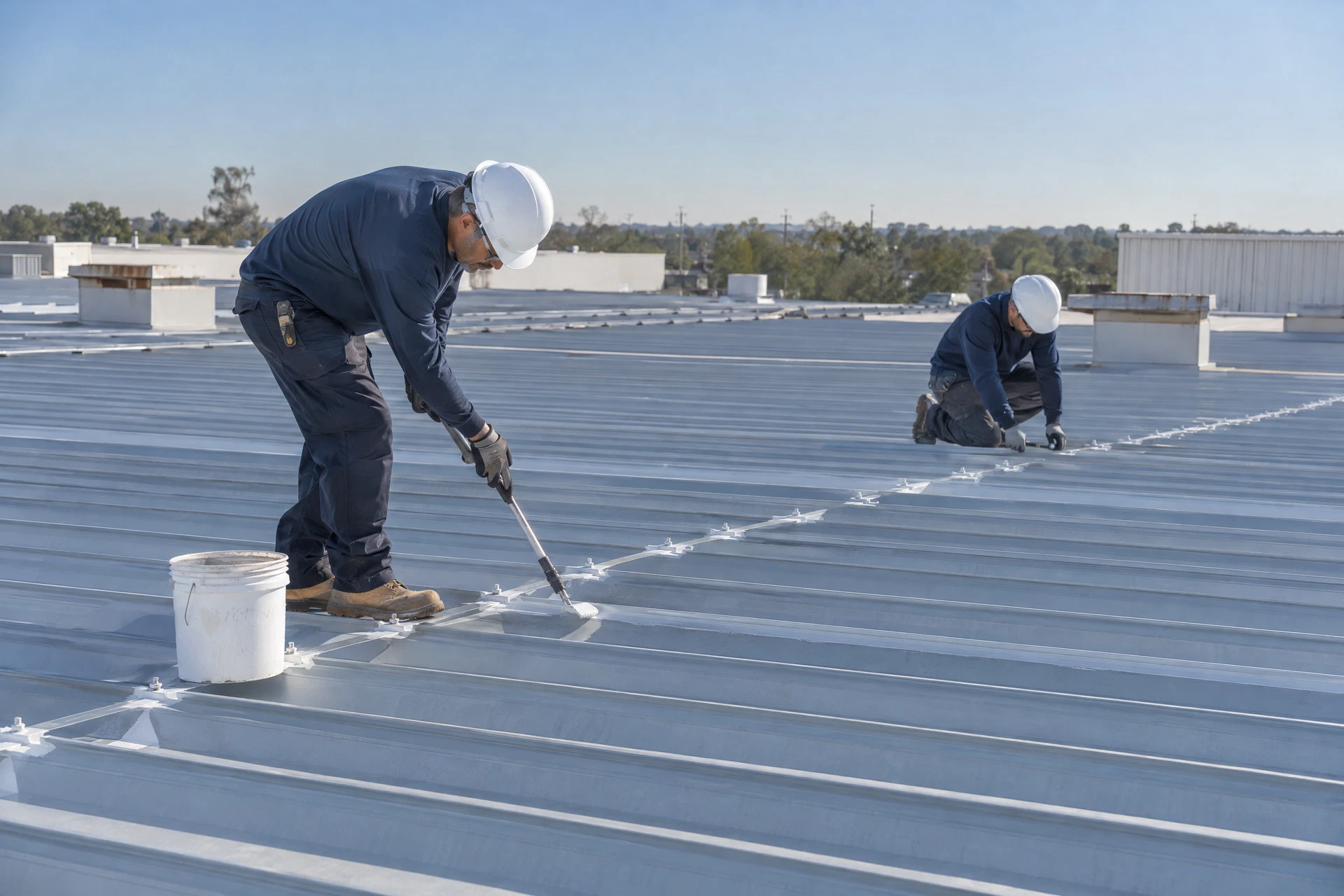
Deer Valley Roof Coating coats commercial roofs with a scope built around roof size, access, staging, and substrate condition. Large roof sections can be reviewed in workable areas so coating-ready surfaces stay distinct from sections that need repair-first attention.

Large commercial roof sections

Staging-led scope planning

Coating-ready areas separated

Repair-first conditions identified

Plan Large Roof Areas Carefully

Plan Large Roof Areas Carefully

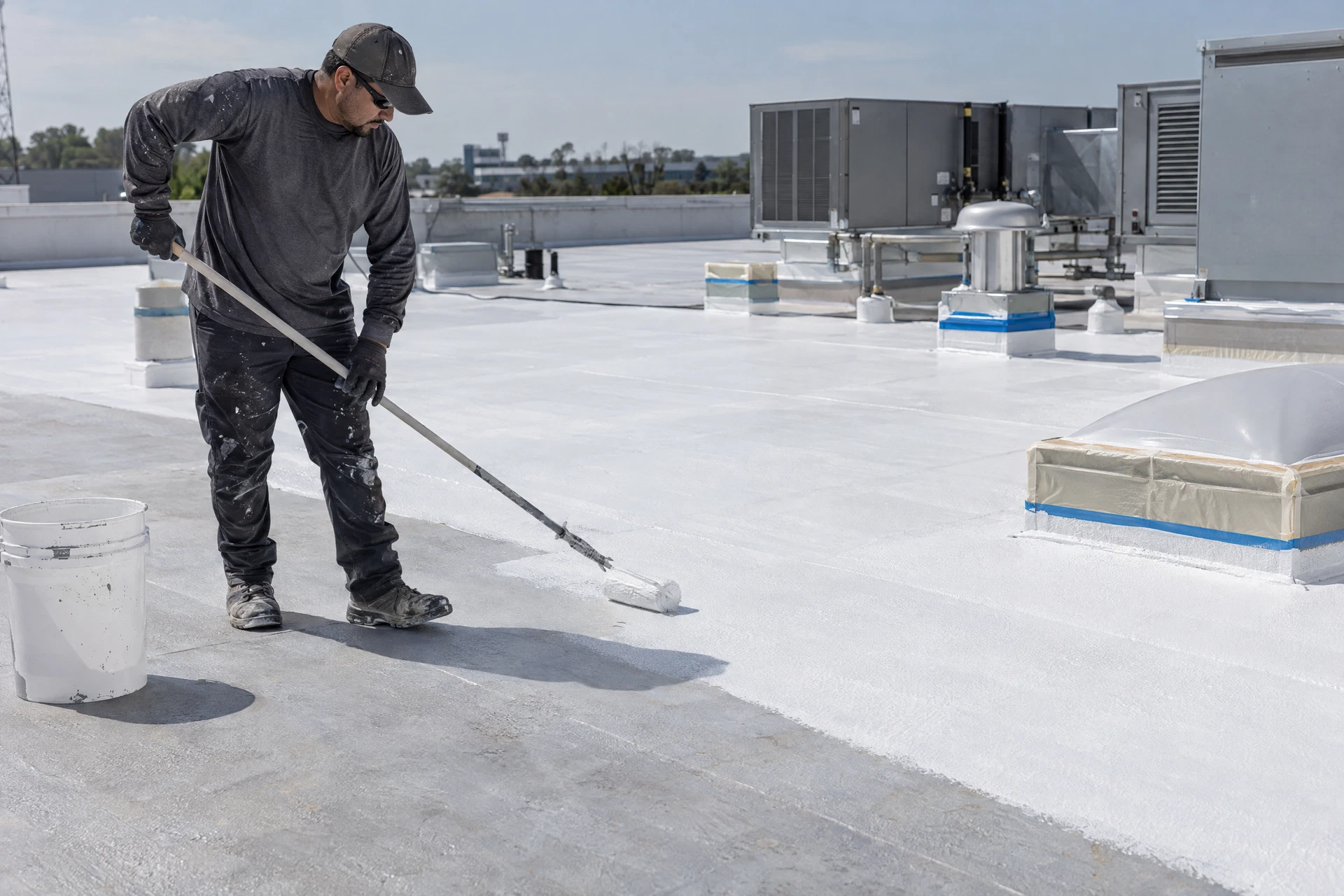
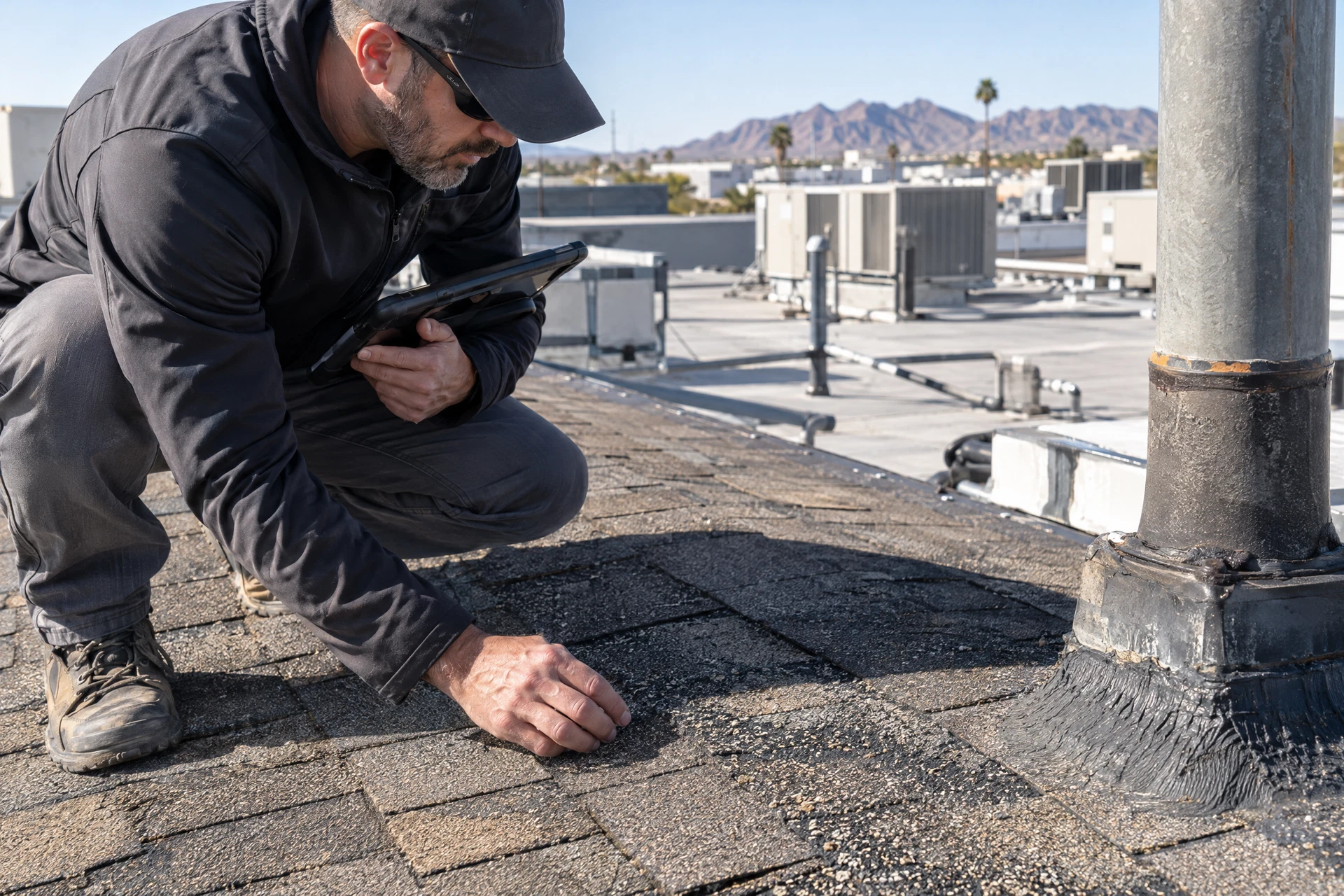
A large roof needs a clear map before material or work sequence is chosen. Review access, rooftop equipment, seams, penetrations, surface condition, and staging zones as separate scope questions.

Commercial roof access and inspection planning

Divide The Roof Into Work Zones

Break broad roof areas into practical sections for inspection, preparation, coating, and follow-up review. This makes condition notes easier to track and keeps one questionable area from being treated as representative of the entire roof.

  • Mark coating-ready sections
  • Identify repair-first sections
  • Note equipment and access routes

Stage Around Building Operations

Material movement, rooftop access, occupied areas, and equipment routes can shape the sequence. A site discussion should identify where people, deliveries, tools, and roof work can safely interact without assuming every section has the same access conditions.

  • Review staging locations
  • Separate active work from travel paths
  • Coordinate section-by-section access

Roof Conditions That Change Scope

Roof Conditions That Change Scope

Coating selection follows condition review. These common decision points help property owners and facility managers understand why one roof section may move forward while another requires added evaluation.

Open Seams And Joints

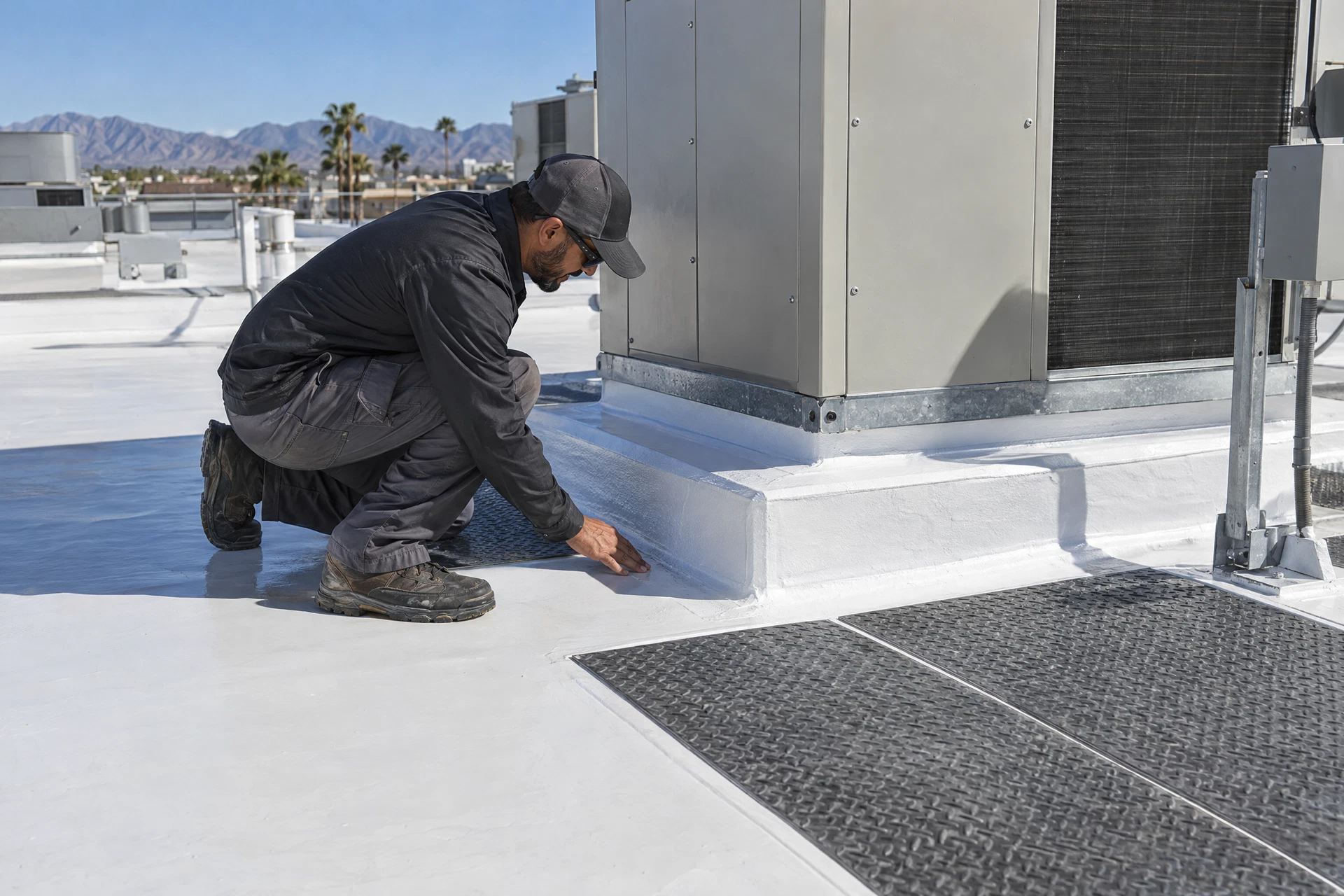
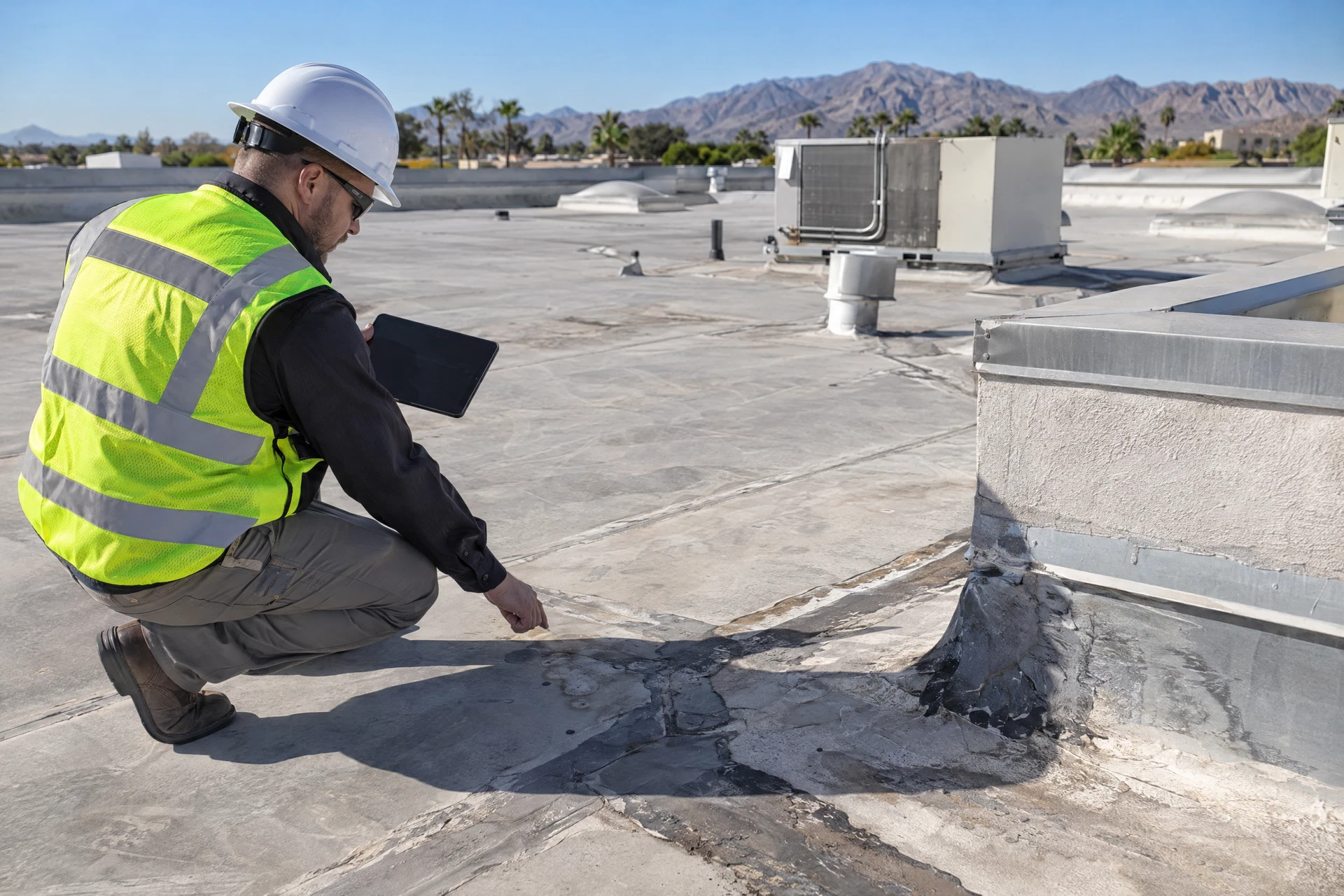
Seams, joints, and transitions need close inspection before coating. Areas with movement or separation may require repair-first work and detail treatment before a coating system can be considered.

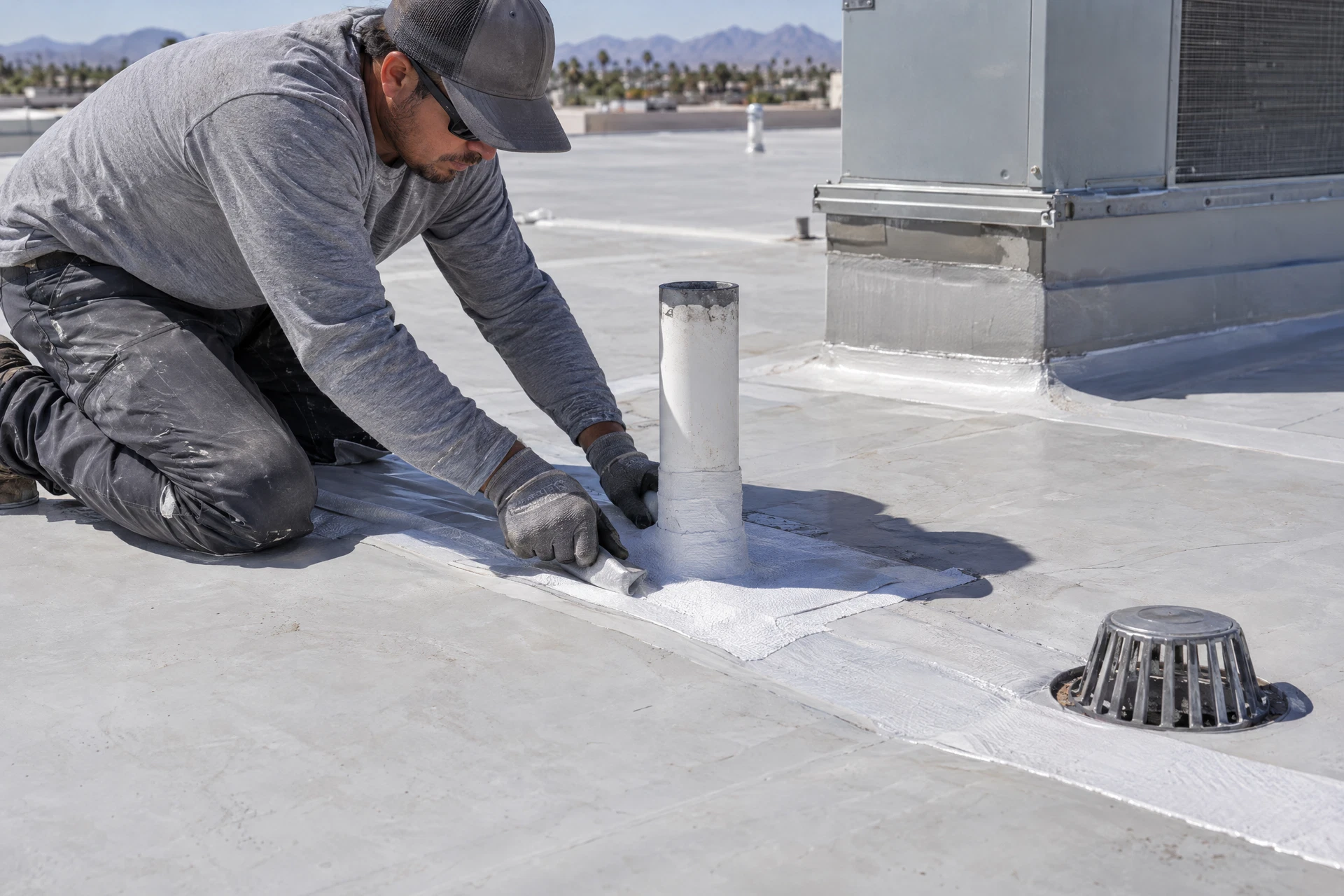
Worn Fasteners And Penetrations

Fasteners, pipes, curbs, vents, and other penetrations create detail points across large roofs. Their condition and compatibility with preparation materials should be documented rather than covered by assumption.

Wet Or Uncertain Substrate

A coating plan depends on a suitable, sufficiently dry substrate. If a section has suspected moisture or uncertain layers, keep it separate until its condition and preparation needs are understood.

Surface Contamination

Dirt, residue, loose material, and incompatible previous products can affect adhesion. Preparation requirements should be assigned by section, especially when a large roof has different surface histories.

Areas Requiring Repair First

Coating is not a substitute for correcting structural damage, wet insulation, or unresolved drainage conditions. Those areas need a separate scope decision before any coating-ready section is included.

Benefits of Coating Your Roof

Benefits of Coating Your Roof

A condition-led coating scope can give a commercial property team a clearer way to organize roof work. Benefits depend on suitable surfaces, proper preparation, compatible materials, and ongoing inspection.

Clearer Section Decisions

Separating ready areas from repair-first areas creates a more useful scope conversation. Owners can review roof sections by condition instead of treating a large surface as one uniform asset.

More Organized Staging

A staged plan helps identify where preparation, materials, tools, and access routes belong. That organization supports better coordination for large commercial roofs with multiple work zones.

Material Choice With Context

Metal, silicone, acrylic, spray foam, and shingle coating each require a condition and compatibility review. A section map gives the material discussion a practical roof context.

Documented Follow-Up Points

Inspection notes can identify seams, penetrations, preparation needs, and areas held out for repair-first review. That record gives facility managers useful items to revisit during maintenance planning.

Commercial Roof Coating Options for North Gateway

Commercial Roof Coating Options for North Gateway

The right option depends on roof material, existing surface, condition, preparation, and application requirements. These approved services are starting points for a section-by-section evaluation.

Commercial roofing detail for Metal Roof Coating

Metal Roof Coating

Metal Roof Coating can be evaluated where panels, seams, fasteners, penetrations, and movement are suitable for preparation and detail work. Corrosion or separated areas may change the scope before coating.

Explore Metal Roof Coating
Commercial roofing detail for Acrylic Roof Coating

Acrylic Roof Coating

Acrylic Roof Coating can be considered for compatible, prepared areas when application conditions and future maintenance are understood. Water-based application requirements make weather and surface readiness important.

Explore Acrylic Roof Coating
Commercial roofing detail for Spray Foam Roofing

Spray Foam Roofing

Spray Foam Roofing requires a dry, suitable substrate and careful review of existing foam, topcoat condition, equipment protection, and overspray controls. Damaged or uncertain foam belongs in a separate decision.

Explore Spray Foam Roofing

Process for Large Commercial Roof Sections

Process for Large Commercial Roof Sections

A measured process keeps inspection findings connected to staging and material decisions. Each step helps define which areas can proceed and which areas need a separate repair-first review.

  1. 01

    Inspect Your Roof

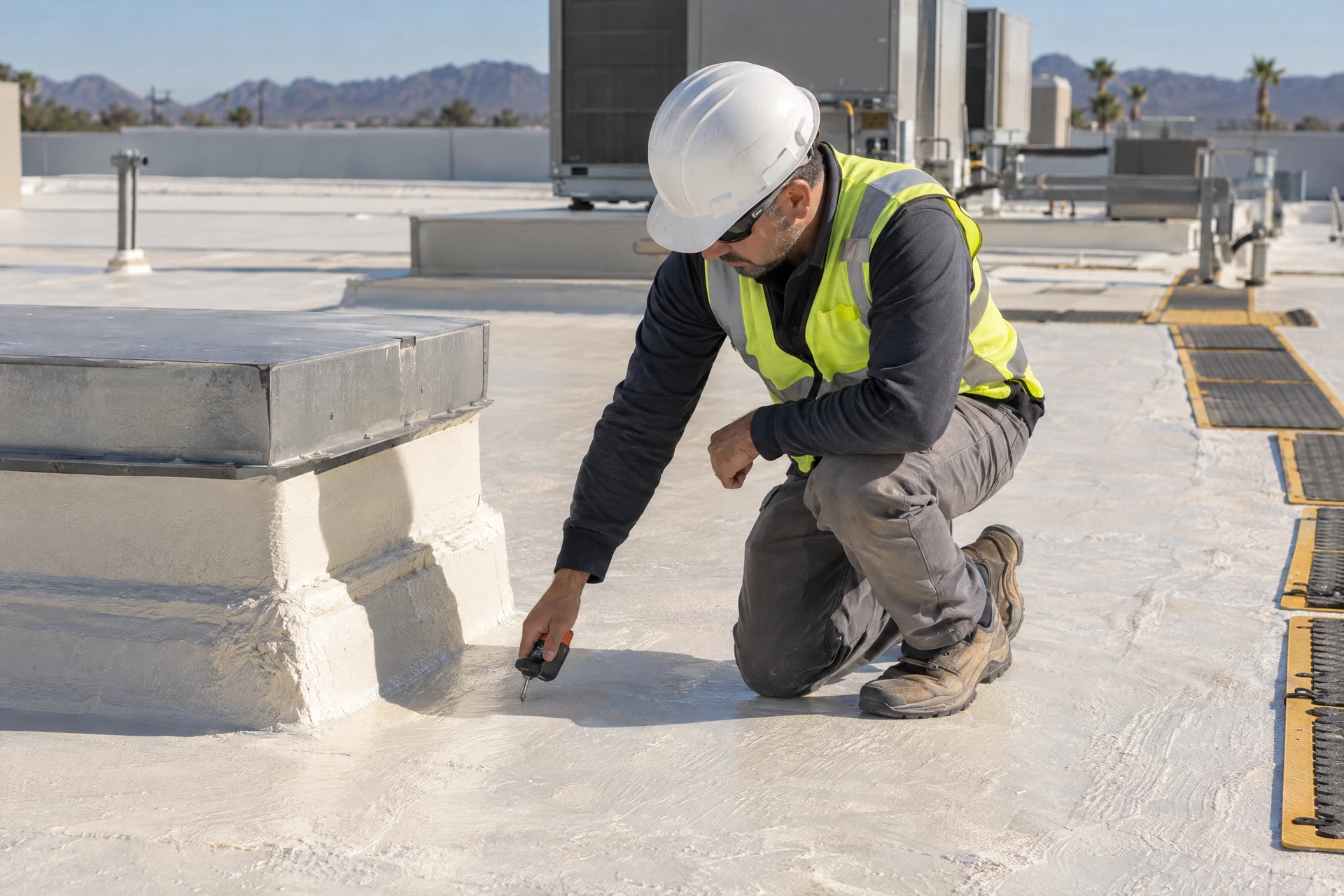
    Review the roof by section, including surface type, seams, fasteners, penetrations, equipment, access, previous materials, and visible condition. Mark areas that need more investigation instead of blending them into the ready scope.

  2. 02

    Map Ready And Hold Areas

    Organize the roof into coating-ready, preparation-required, and repair-first areas. Record the reason for each distinction so the proposed sequence reflects actual roof conditions rather than square footage alone.

  3. 03

    Choose The Service Fit

    Compare Metal Roof Coating, Silicone Roof Coating, Acrylic Roof Coating, Spray Foam Roofing, and Shingle Roof Coating against the materials and conditions found in each section. Compatibility comes before a broad roof-wide assumption.

  4. 04

    Set Staging And Preparation

    Plan material movement, access routes, surface preparation, detail work, and protection around rooftop equipment. Keep repair-first areas outside the coating sequence until their separate scope is understood.

  5. 05

    Review The Section Scope

    Use the inspection notes and section map to discuss the proposed work, exclusions, preparation needs, and follow-up points. Permit requirements depend on scope and should be confirmed before work begins.

Commercial roof detail inspection

North Gateway Roof Coating Questions

North Gateway Roof Coating Questions

Use these answers to frame a commercial roof discussion before the section map and condition review are complete.

Can a large commercial roof be coated in sections?

It can be evaluated in sections when the roof condition, access, staging, preparation, and material requirements support that approach. Each area should be identified as coating-ready, preparation-required, or repair-first. A section plan helps keep uncertain conditions separate and gives the property team a clearer sequence for review.

How are repair-first areas separated from coating-ready areas?

The roof is reviewed by condition and detail points, including seams, penetrations, fasteners, surface stability, moisture concerns, and existing materials. Areas with unresolved structural damage, wet insulation, or drainage conditions are not represented as coating-ready. They need a separate scope decision before coating work is considered.

Which commercial roof coating service may fit my property?

The possible options are Metal Roof Coating, Silicone Roof Coating, Acrylic Roof Coating, Spray Foam Roofing, and Shingle Roof Coating. The fit depends on roof material, existing products, substrate condition, preparation, application conditions, and compatibility. No single option should be selected from roof size alone.

What should staging cover on a large roof?

Staging should account for material movement, safe access, tools, preparation areas, rooftop equipment, occupied building conditions, and travel routes. The practical plan can differ between roof sections. A review should identify where work can occur and which areas need to remain outside the active coating sequence.

Can coating correct drainage or structural problems?

Coating should not be presented as a fix for drainage defects, structural damage, or wet insulation. Those conditions require their own evaluation and may place an area in the repair-first category. Coating can be discussed for other suitable sections after condition, preparation, and compatibility are reviewed.

Do permit requirements apply to commercial roof coating?

Permit requirements depend on the project scope, materials, and applicable code conditions. City of Phoenix guidance lists specific exceptions and does not authorize code-violating work. Confirm requirements with the relevant authority before work begins, especially when the proposed scope includes more than a straightforward weatherproof covering.

Next Roof Step

Get A Clear Starting Point

Bring the roof condition, access concerns, and building details into one commercial coating discussion.

Roof Questions?

Talk About Your Commercial Roof

Leave your name and phone number, or call now to discuss the roof condition.

Call Us
Call Us+1 (623) 310-0168