Commercial roof inspection and planning

Commercial roof coating for Desert View properties

Desert View Roof Coating

Deer Valley Roof Coating coats commercial roofs in Desert View. The right recommendation starts with drains, penetrations, flashing, rooftop equipment, substrate condition, and the work limits your roof can support.

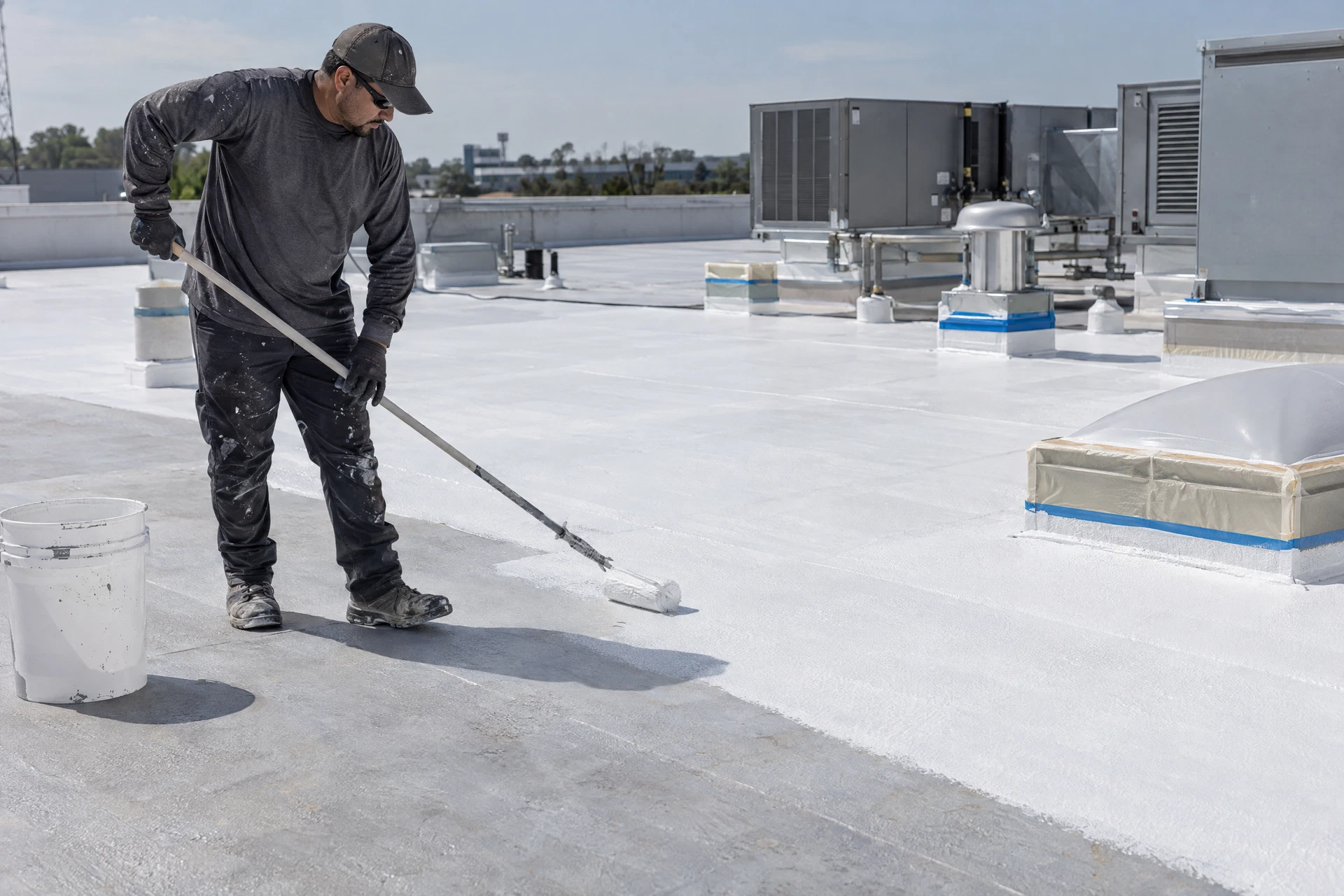
Commercial roof coating, condition-led

Drain and penetration details reviewed

Five approved roofing systems

Estimate decisions based on roof evidence

Details That Shape The Decision

Details That Shape The Decision

A Desert View roof coating assessment needs more than a broad roof-area measure. Details around water movement, rooftop equipment, and transitions can change preparation, material selection, and whether coating is appropriate.

Commercial roof access and inspection planning

Start At The Drains

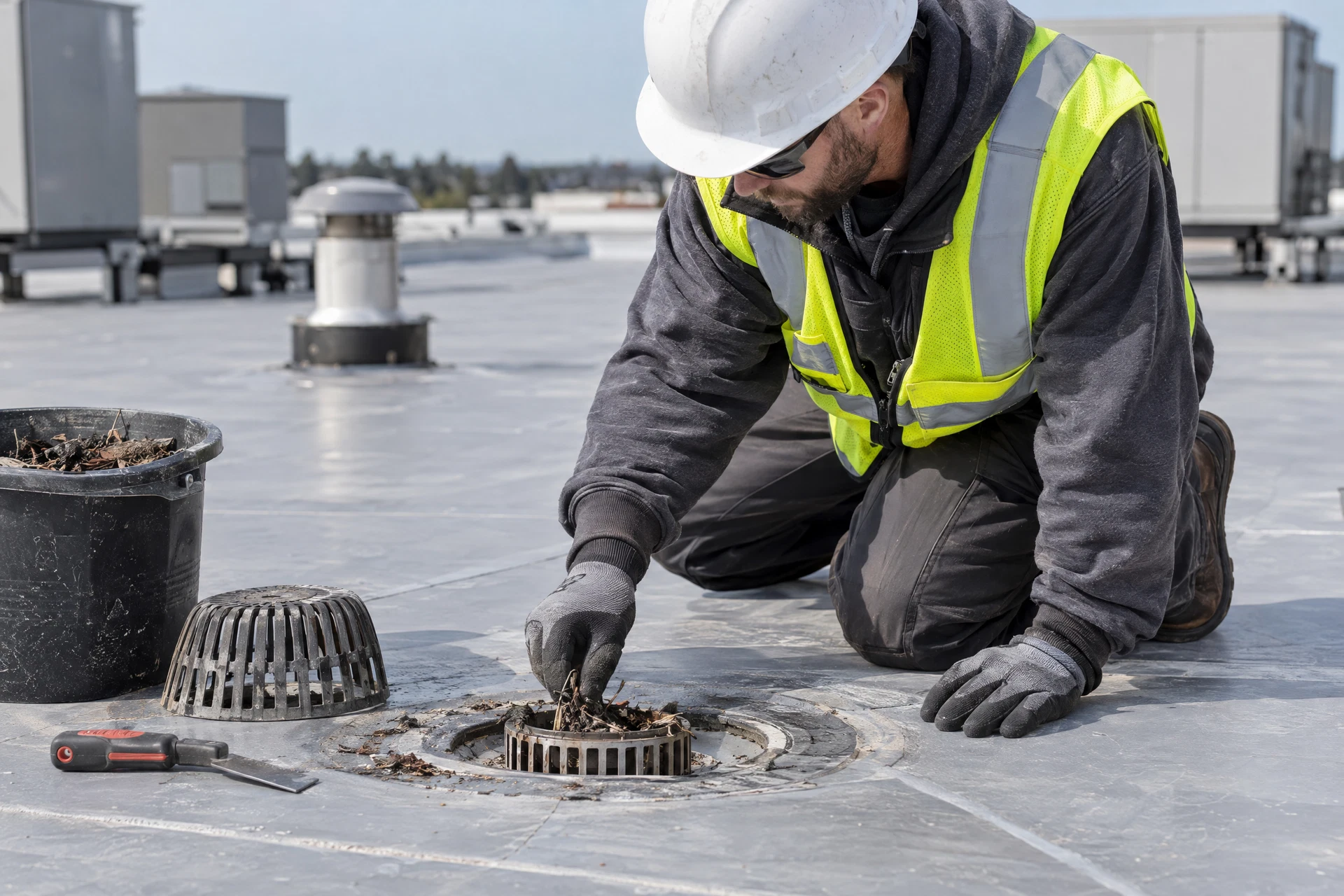
Drains, scuppers, and surrounding surfaces are reviewed for condition, access, debris, and signs that water remains after rainfall. Coating does not correct failed drainage. Drainage concerns need their own repair or design decision before a coating scope is set.
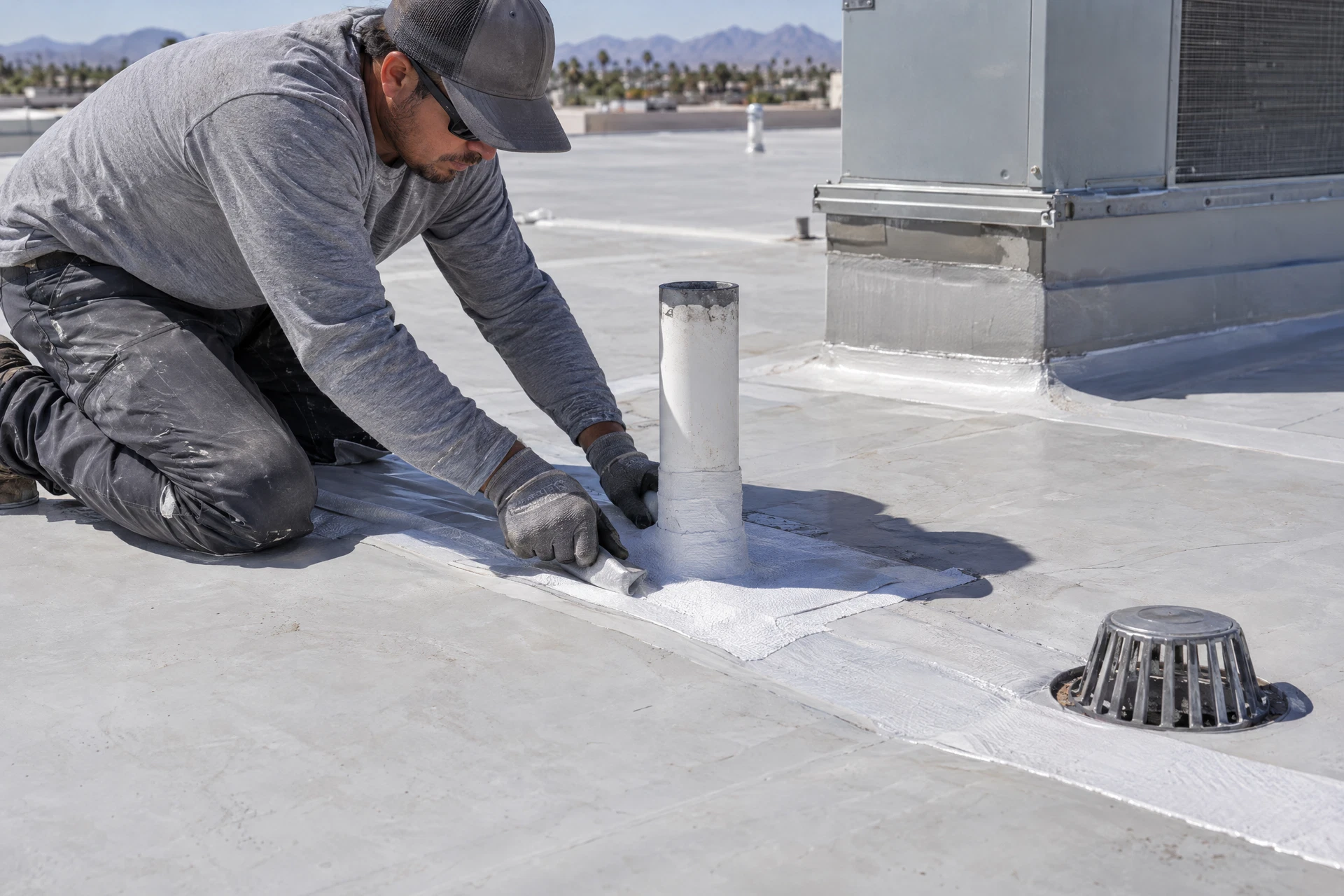
Map Every Penetration

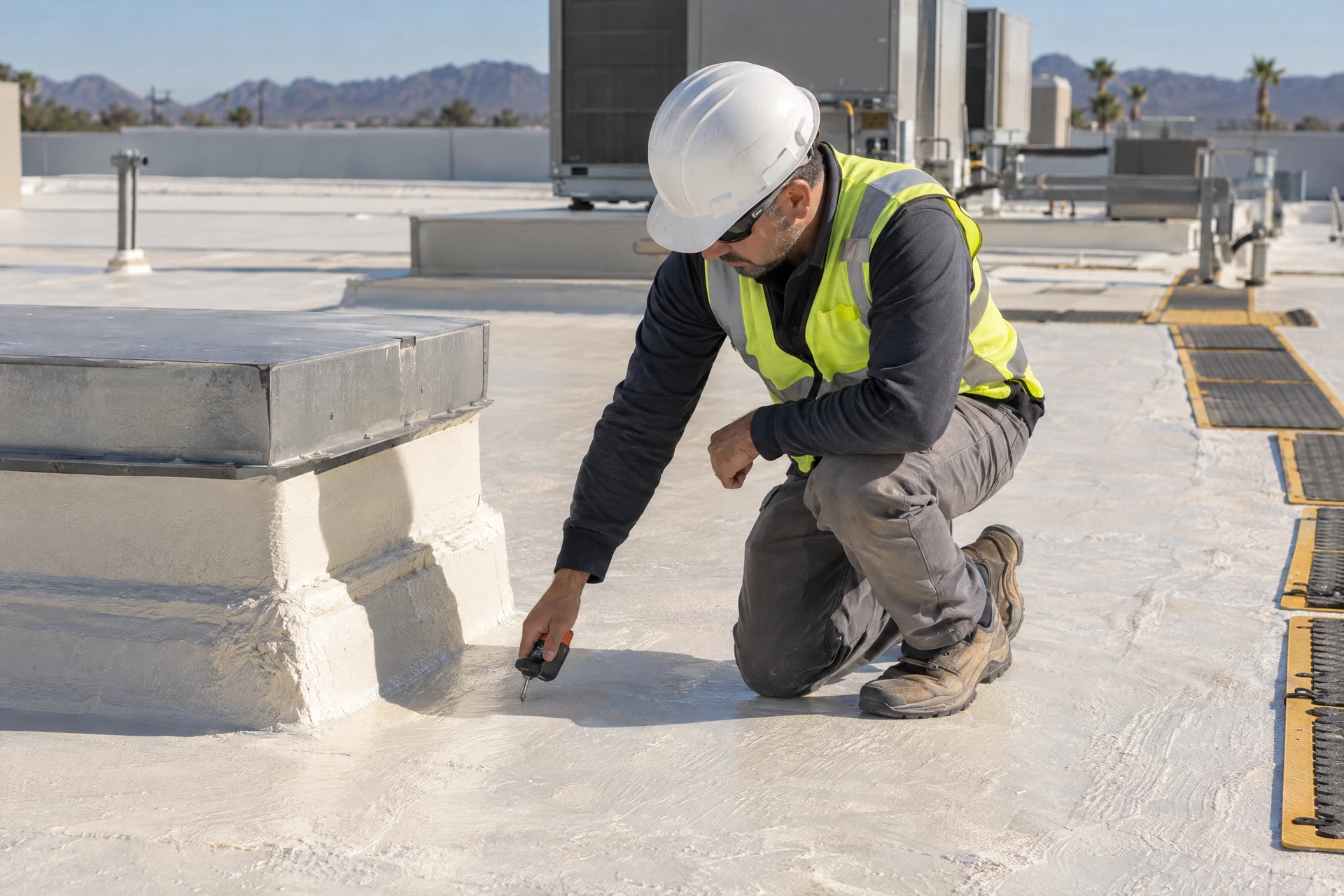
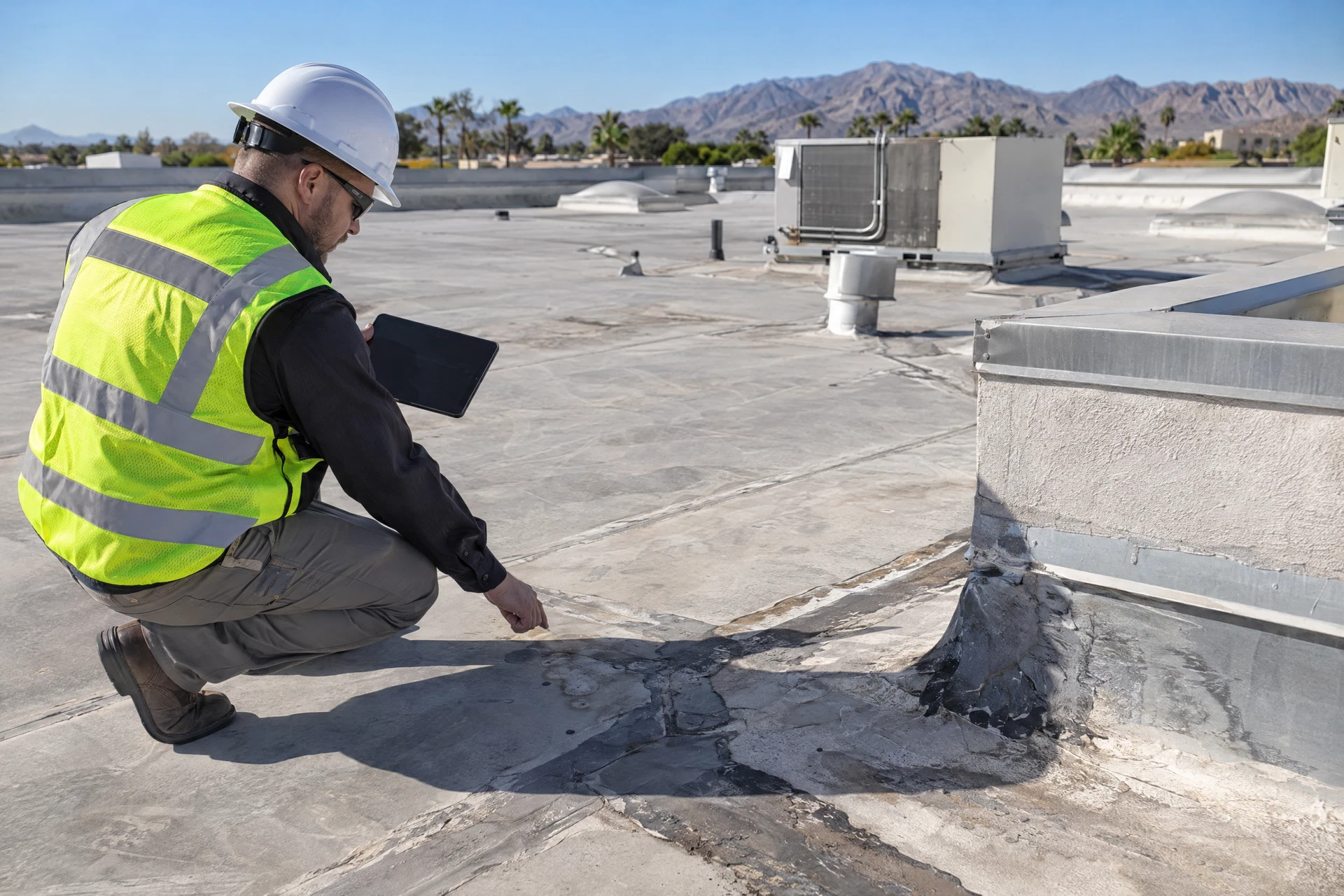
Pipe boots, curbs, vents, conduits, and other penetrations create detail areas. Each needs inspection for movement, sealant condition, compatible preparation, and reinforcement requirements. A coating recommendation should identify these details instead of treating the roof as one uninterrupted field.

Work Around Equipment

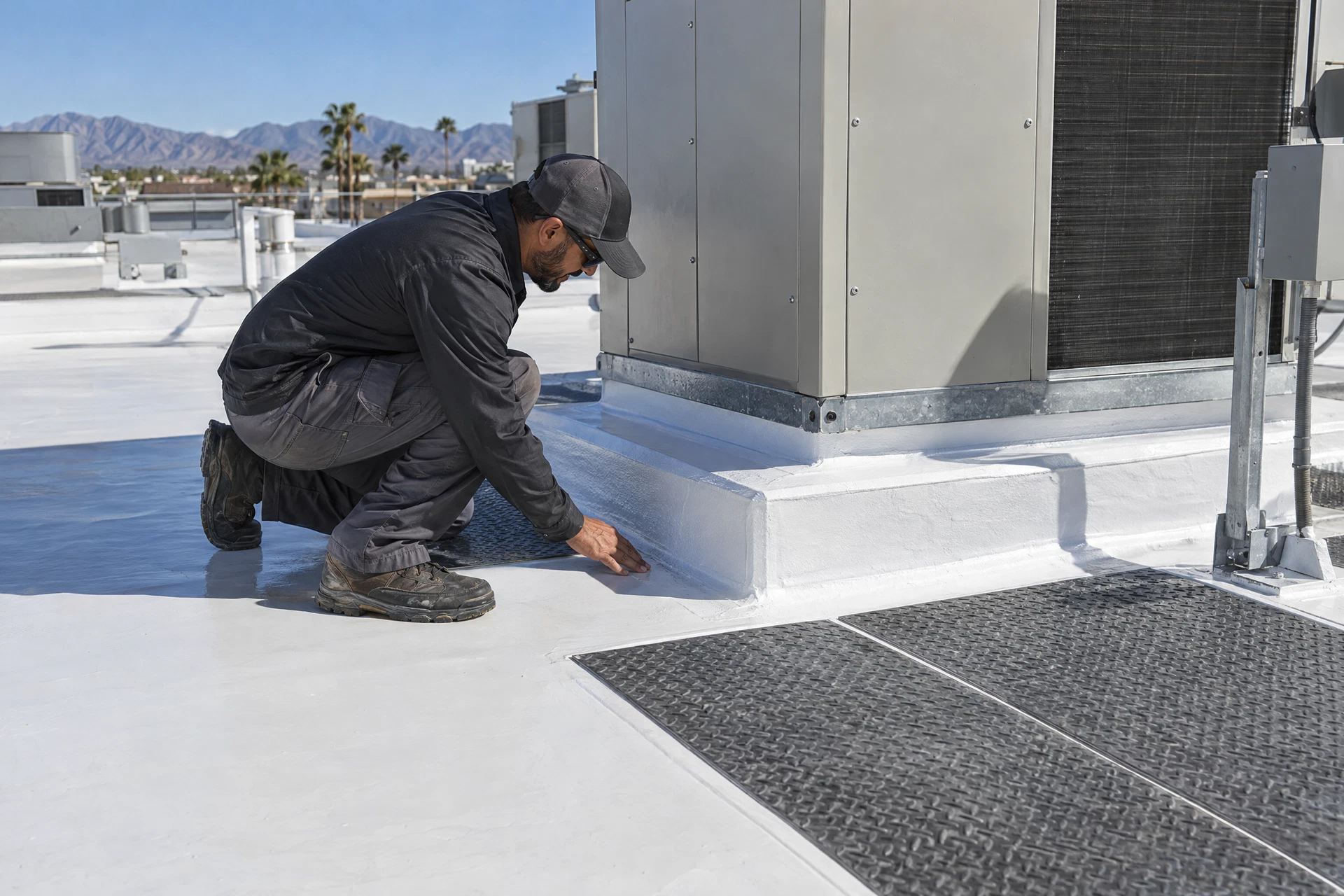
Rooftop units, panels, exhaust equipment, service paths, and supports affect access and sequencing. The assessment should identify equipment that must remain operational, surfaces that need protection, and areas where future service traffic could challenge the coating.

Roof Conditions To Sort Out

Roof Conditions To Sort Out

These condition checks keep a coating estimate tied to what the roof can support today. A repair-first or replacement discussion may be more suitable when the underlying issue exceeds a coating scope.

Blocked Or Undersized Drainage

Water movement must be understood before material selection. Clear evidence of drainage limitations should be documented separately. A coating can protect a prepared roof surface, but it should not be presented as a drainage correction.

Open Flashing Details

Base flashings, counterflashings, edge metal, and transitions can separate or deteriorate. These areas may need repair, replacement, reinforcement, or compatible detail work before the field coating is considered ready.

Aged Penetration Seals

Cracked sealants, loose boots, exposed fasteners, and movement around penetrations can create recurring detail problems. Inspecting and documenting each condition helps separate detail repairs from the broader roof coating scope.

Wet Or Unstable Substrate

The roof surface must be evaluated for moisture, adhesion, blistering, delamination, soft areas, and other instability. Coating over an unsuitable substrate can hide the decision rather than resolve it, so readiness must be established first.

Equipment-Service Traffic

Repeated foot traffic near rooftop units, access points, and service routes can wear detail work. The scope should account for walk pads, protection, sequencing, and the maintenance activity expected after the coating is installed.

Benefits of Coating Your Roof

Benefits of Coating Your Roof

Coating can be useful when the existing commercial roof is suitable, prepared, and detailed correctly. These benefits depend on roof condition, chemistry, application, and future maintenance requirements.

A More Defined Surface Scope

A coating project creates a clear field-and-detail scope. Drain edges, penetrations, flashing transitions, equipment zones, and access routes can be called out so the estimate reflects the roof's actual complexity.

A Planned Recoat Conversation

The selected system and installed condition can establish a basis for future inspection and maintenance discussions. Recoat timing is not automatic. It depends on exposure, wear, adhesion, detail condition, and ongoing roof use.

Better Coordination Around Operations

Condition-led planning helps identify equipment, occupied areas, service routes, and protection needs before work begins. That gives property owners and facility managers a more useful way to discuss sequencing and access.

Clearer Repair Boundaries

A detailed assessment distinguishes coating-ready areas from conditions requiring separate repair or replacement consideration. That boundary reduces confusion about what a coating scope is intended to address.

Commercial Roof Coating Options for Desert View

Commercial Roof Coating Options for Desert View

The approved systems below serve different roof materials, conditions, and preparation requirements. The roof inspection determines which options deserve consideration for a specific commercial property.

Commercial roofing detail for Metal Roof Coating

Metal Roof Coating

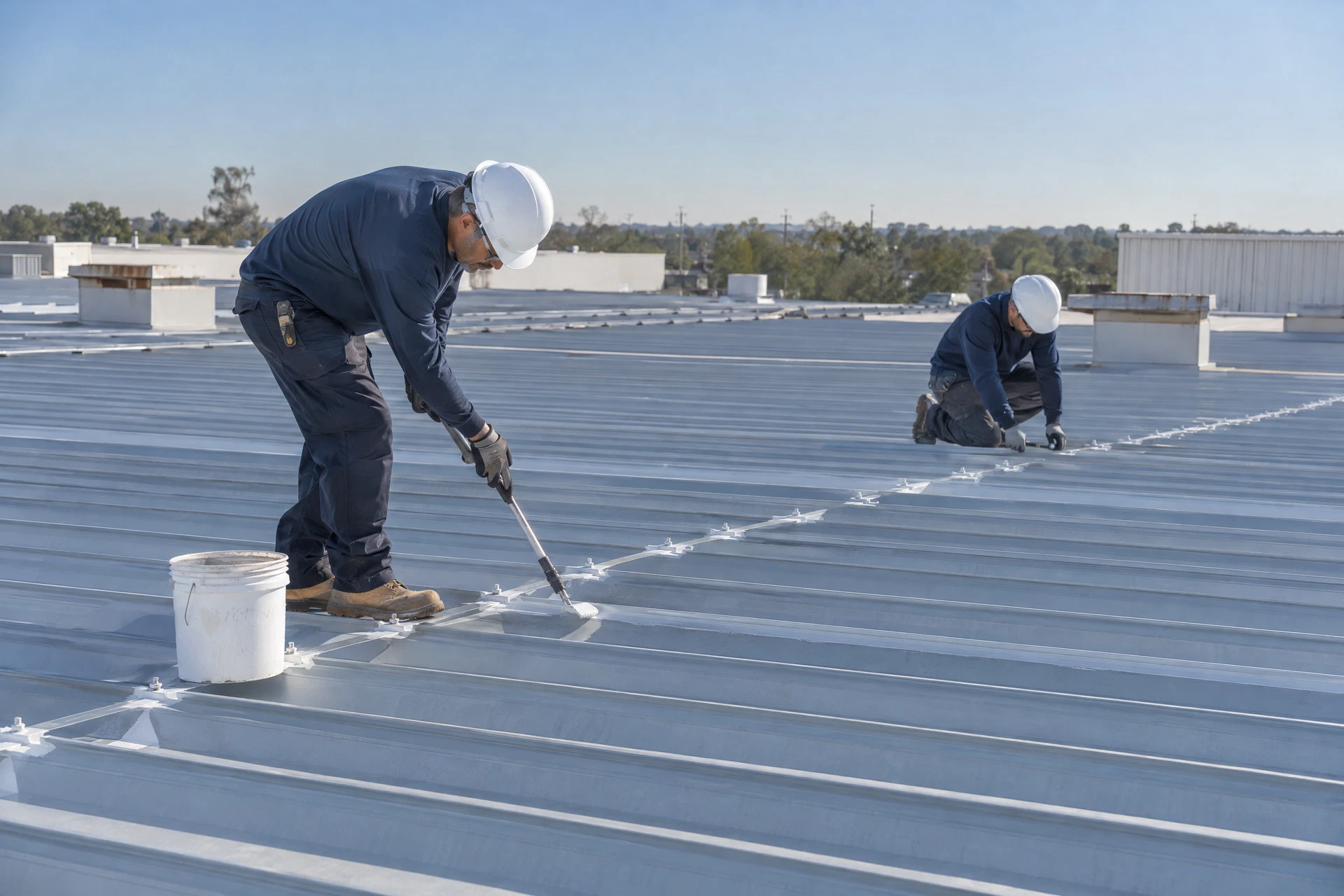
Metal Roof Coating is considered around corrosion, seams, fasteners, panel movement, edges, and penetrations. Preparation and detail treatment must match the metal roof's condition before a field coating is proposed.

Explore Metal Roof Coating
Commercial roofing detail for Silicone Roof Coating

Silicone Roof Coating

Silicone Roof Coating may fit some low-slope roofs after moisture, adhesion, ponding conditions, primers, and detail transitions are reviewed. It is not a universal answer for every roof or every water-management issue.

Explore Silicone Roof Coating
Commercial roofing detail for Acrylic Roof Coating

Acrylic Roof Coating

Acrylic Roof Coating requires suitable substrate preparation and application conditions. Drainage, bleed-through, reinforcement, weather exposure, and future recoat planning should be reviewed before selecting this water-based system.

Explore Acrylic Roof Coating
Commercial roofing detail for Spray Foam Roofing

Spray Foam Roofing

Spray Foam Roofing depends on a dry, suitable substrate, controlled installation conditions, protected equipment, and an appropriate topcoat. Damaged or unstable foam may require a recover-versus-remove decision first.

Explore Spray Foam Roofing
Commercial roofing detail for Shingle Roof Coating

Shingle Roof Coating

Shingle Roof Coating has a narrow compatibility gate. Shingle condition, granule loss, manufacturer guidance, ventilation, penetrations, and code considerations must be reviewed before this option is considered.

Explore Shingle Roof Coating

A Condition-Led Coating Process

A Condition-Led Coating Process

The process keeps the estimate connected to roof evidence. Each step supports a practical decision about preparation, approved system, detail work, access, and the boundary between coating and other roof work.

  1. 01

    Inspect Your Roof

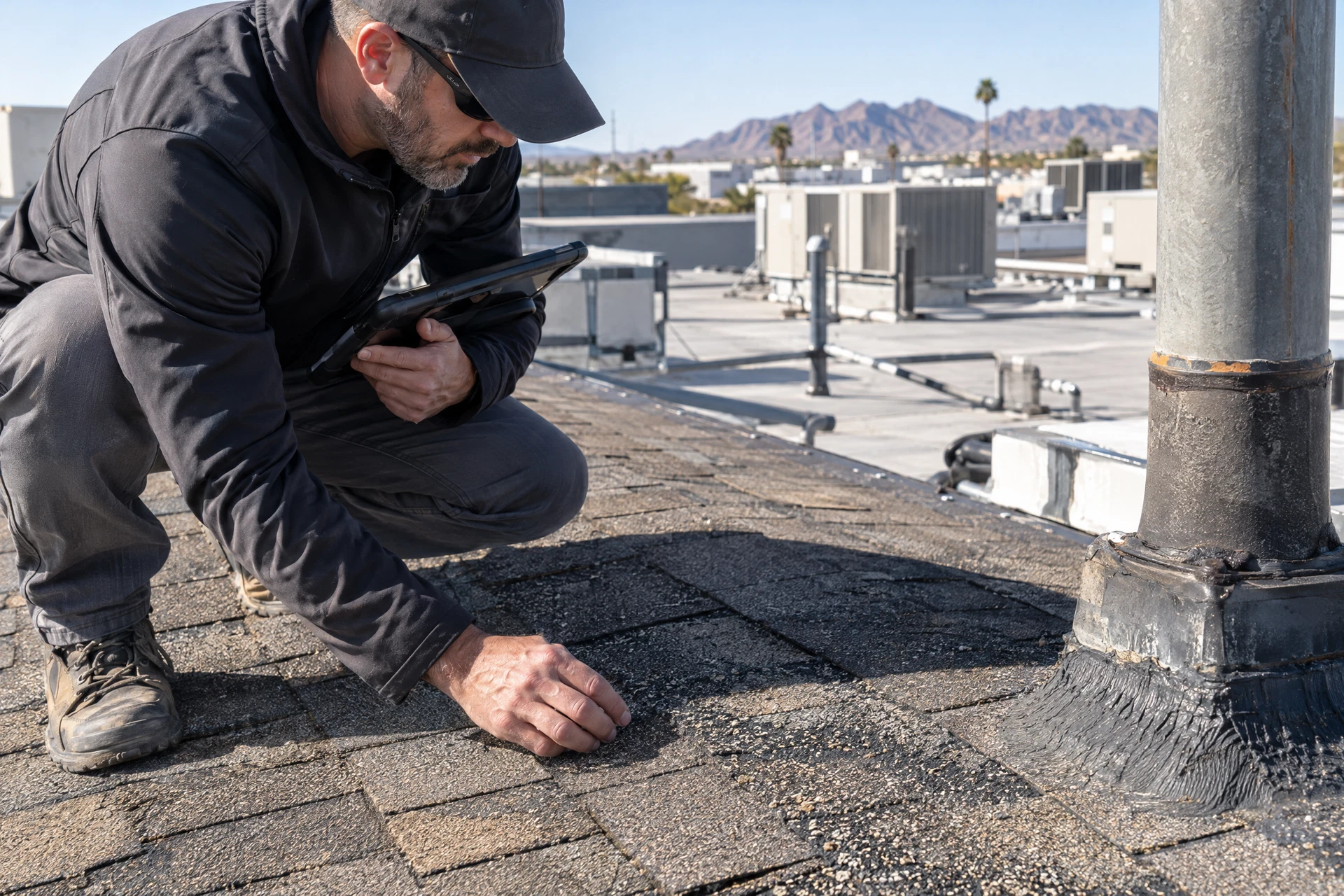
    Review the field surface, drains, scuppers, penetrations, flashing, edges, equipment supports, access paths, and visible signs of moisture or instability. Document conditions that affect coating readiness and conditions that require separate attention.

  2. 02

    Define Detail Work

    Identify seams, laps, cracks, fasteners, curbs, pipe boots, transitions, and equipment zones that need cleaning, reinforcement, sealant, primer, repair, or protection. Detail work should be specific enough for an owner to evaluate.

  3. 03

    Match The System

    Compare the roof material and condition with Metal Roof Coating, Silicone Roof Coating, Acrylic Roof Coating, Spray Foam Roofing, or Shingle Roof Coating. Selection follows compatibility, adhesion, moisture, weather, and use considerations.

  4. 04

    Prepare The Surface

    Plan cleaning, drying, removal of incompatible material, repairs, masking, equipment protection, and access controls. Preparation is part of the coating decision because the coating needs a suitable surface to bond and perform.

  5. 05

    Review The Scope

    Walk through the field areas, detail areas, exclusions, equipment coordination, maintenance access, and repair boundaries. Permit requirements depend on scope and should be confirmed with the City of Phoenix before work begins.

Commercial roof detail inspection

Next Roof Step

Get A Clear Starting Point

Bring the roof condition, access concerns, and building details into one commercial coating discussion.

Roof Questions?

Talk About Your Commercial Roof

Leave your name and phone number, or call now to discuss the roof condition.

Call Us
Call Us+1 (623) 310-0168