North Mountain
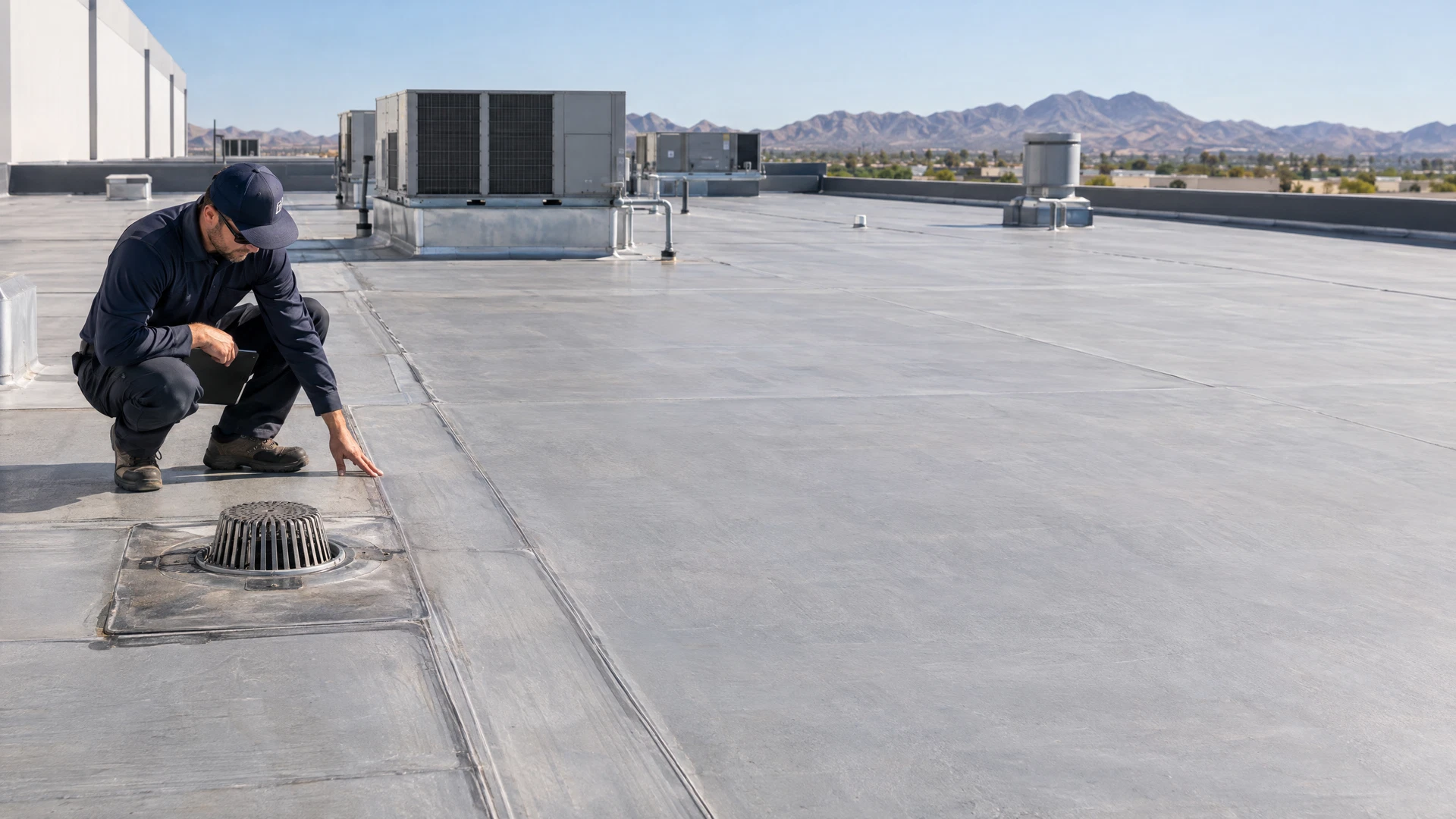
Plan work around occupied commercial buildings, service routes, and rooftop HVAC access. The inspection identifies staging points and details that need protection before preparation begins.
Commercial Roof Coating Service Areas
Deer Valley Roof Coating coats commercial roofs across North Mountain, North Gateway, Desert View, Anthem, New River, and Desert Hills. Planning starts with roof access, rooftop equipment, loading activity, and the work window your property can support. Call +1 (623) 310-0168 or Get A Free Estimate.
Six approved North Valley service areas
Access planned around commercial operations
Equipment and loading routes reviewed
Five approved coating systems available
Commercial Roof Coating Options for Deer Valley
Choose the operating context closest to your property. Each area still requires a roof inspection, condition review, and scope discussion before a coating system is selected.
Plan work around occupied commercial buildings, service routes, and rooftop HVAC access. The inspection identifies staging points and details that need protection before preparation begins.
Large roof sections call for clear material staging and defined movement paths. Separate coating-ready areas from repair-first areas so the scope reflects actual roof condition.
Drain locations, penetrations, and roof-mounted equipment shape the inspection. Detail work must be documented before broad coating work is considered.
Multi-building sites require a shared access plan for tenants, deliveries, and crews. Phased work can keep each building’s routes visible during the project.
Weather windows and condition documentation guide material selection. A written roof review helps connect the system choice to the substrate and work conditions.
Spread-out properties can require careful material movement and safe access planning. Preparation is mapped to each roof area instead of treated as one uniform surface.
Plan Around How Your Property Runs
Commercial roof work affects more than the roof surface. These three planning factors help owners and facility managers define a workable scope before material selection.
Identify roof access points, gates, parking limits, and safe material locations. Review how people and equipment move from delivery areas to the work zone.
HVAC units, vents, drains, penetrations, and service paths need a detail plan. The inspection records where protection, reinforcement, or careful hand work may be required.
Loading activity, tenant schedules, deliveries, and weather exposure shape the sequence. Discuss usable work windows so preparation and coating steps fit the property’s operating rhythm.
Match The System To The Roof
Deer Valley Roof Coating coats commercial roofs with approved systems selected after inspection. Roof type, surface condition, drainage, equipment, and planned use guide the recommendation.
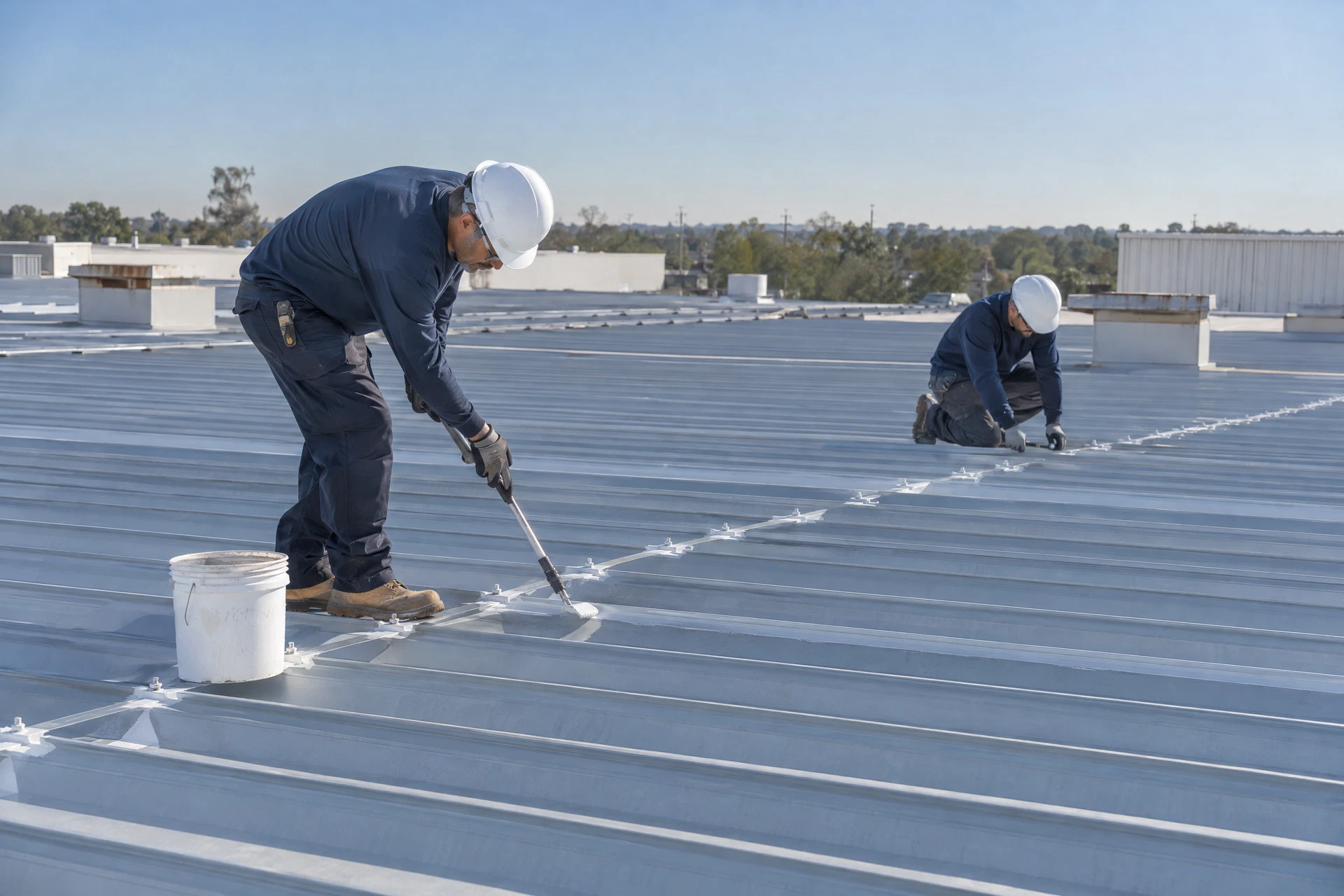
Review panel movement, seams, fasteners, corrosion, and penetrations. Preparation and detail work come before coating broad metal areas.
Explore Metal Roof Coating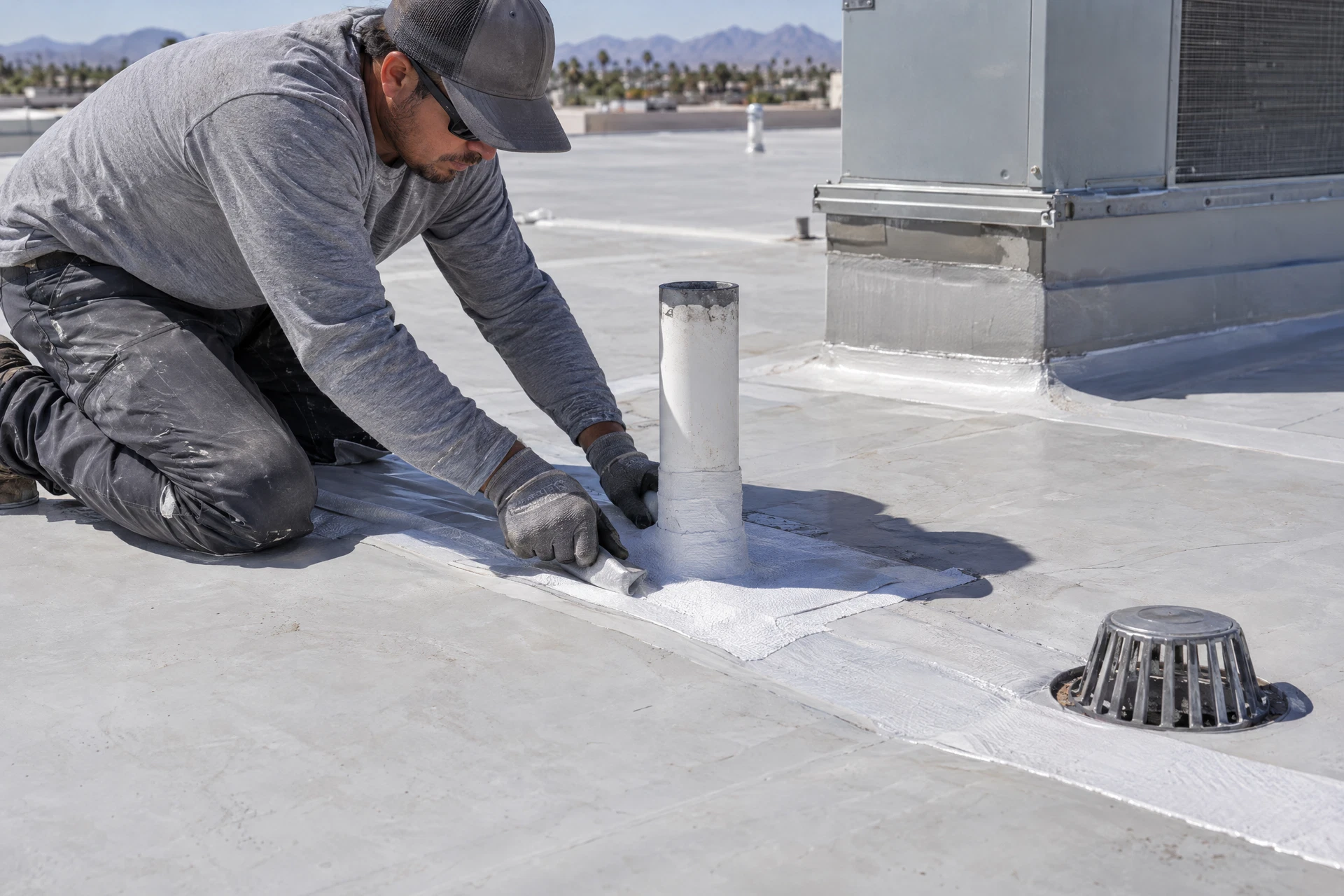
Consider silicone after checking substrate dryness, adhesion, drainage conditions, and primer needs. Product selection must follow the roof’s actual condition.
Explore Silicone Roof Coating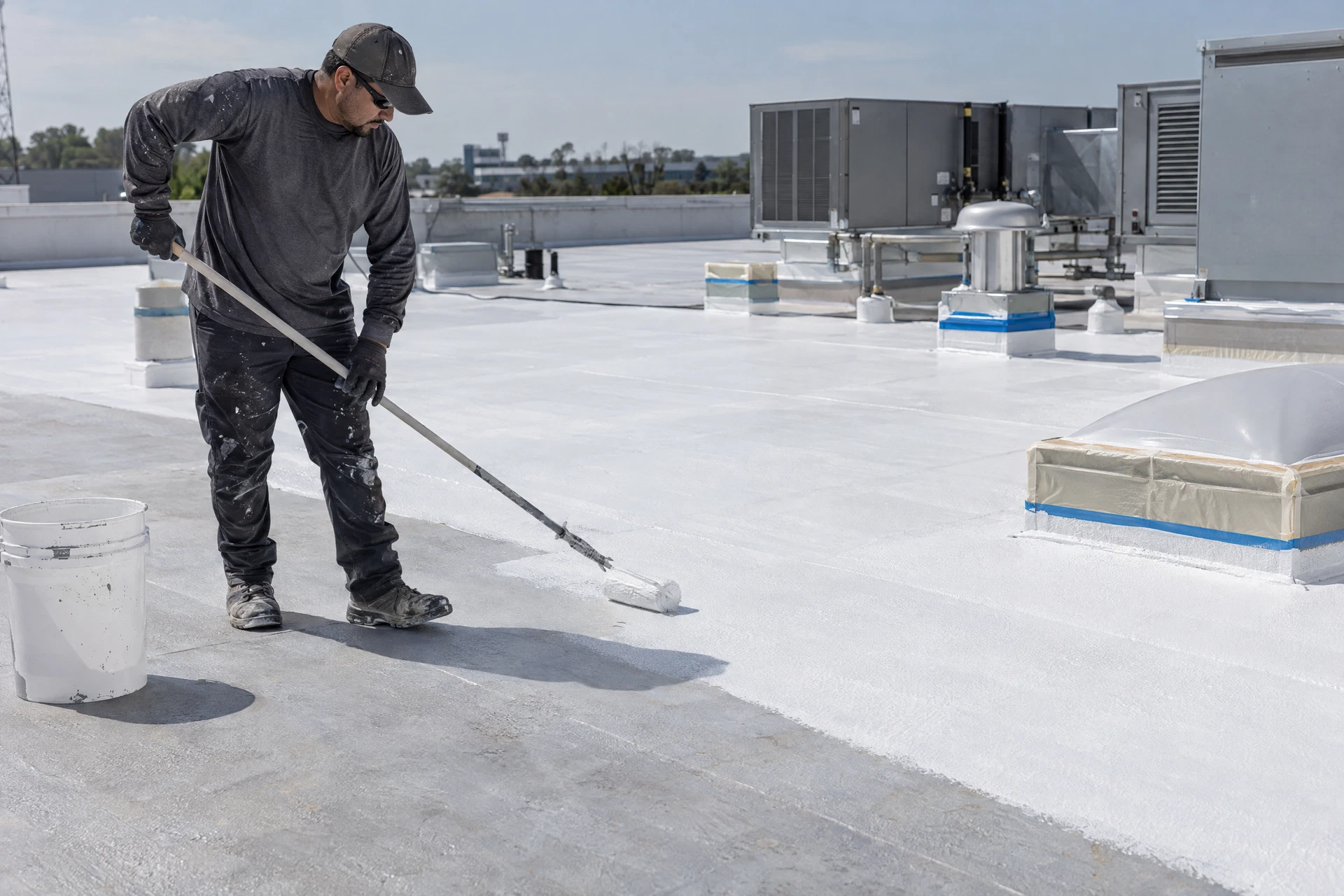
Acrylic can suit compatible, well-drained commercial roof surfaces when the application window supports proper curing. Detail reinforcement and future recoat planning matter.
Explore Acrylic Roof Coating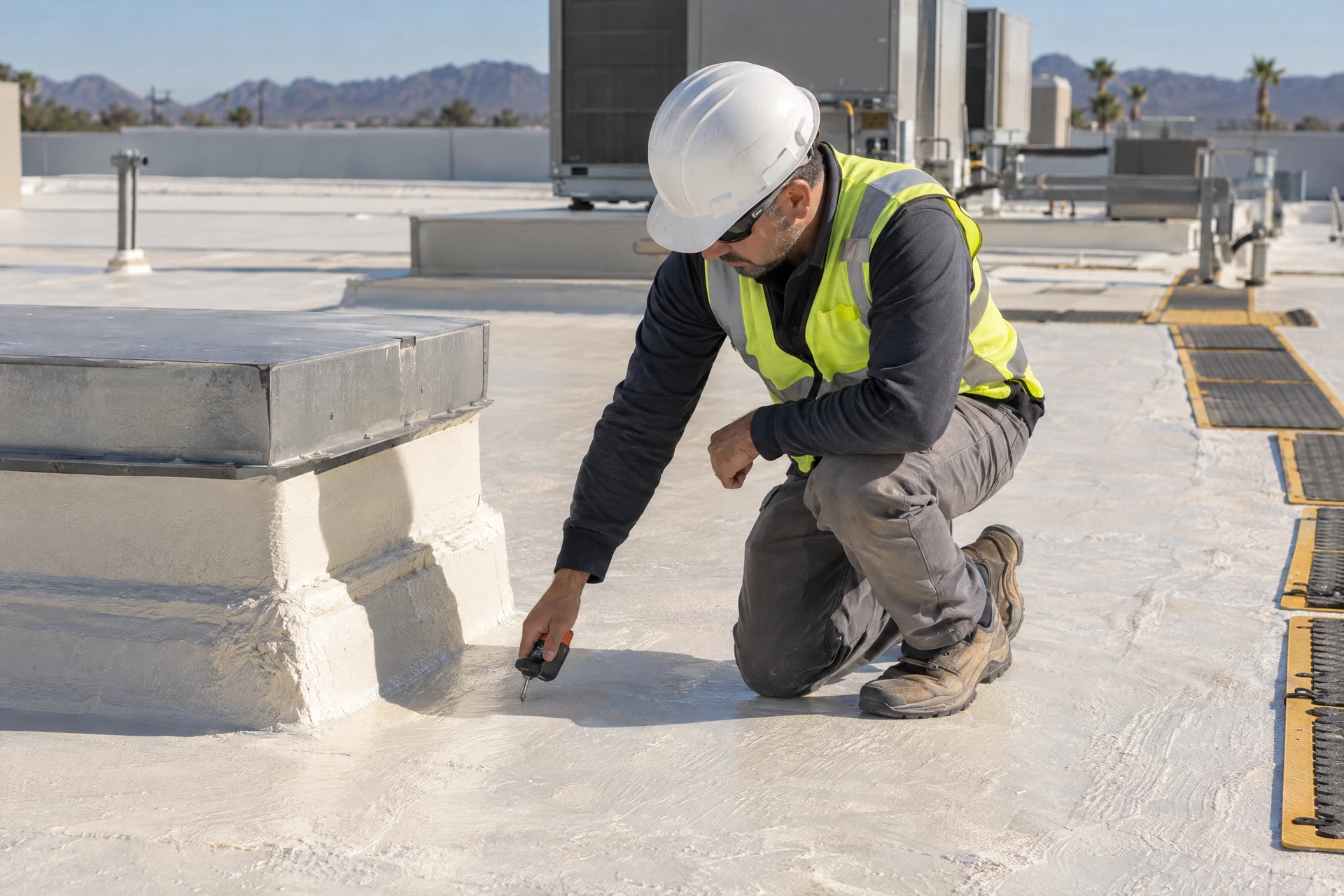
Inspect foam condition, dry substrate, surface damage, overspray controls, and topcoat needs. Recover or remove decisions depend on what the inspection finds.
Explore Spray Foam Roofing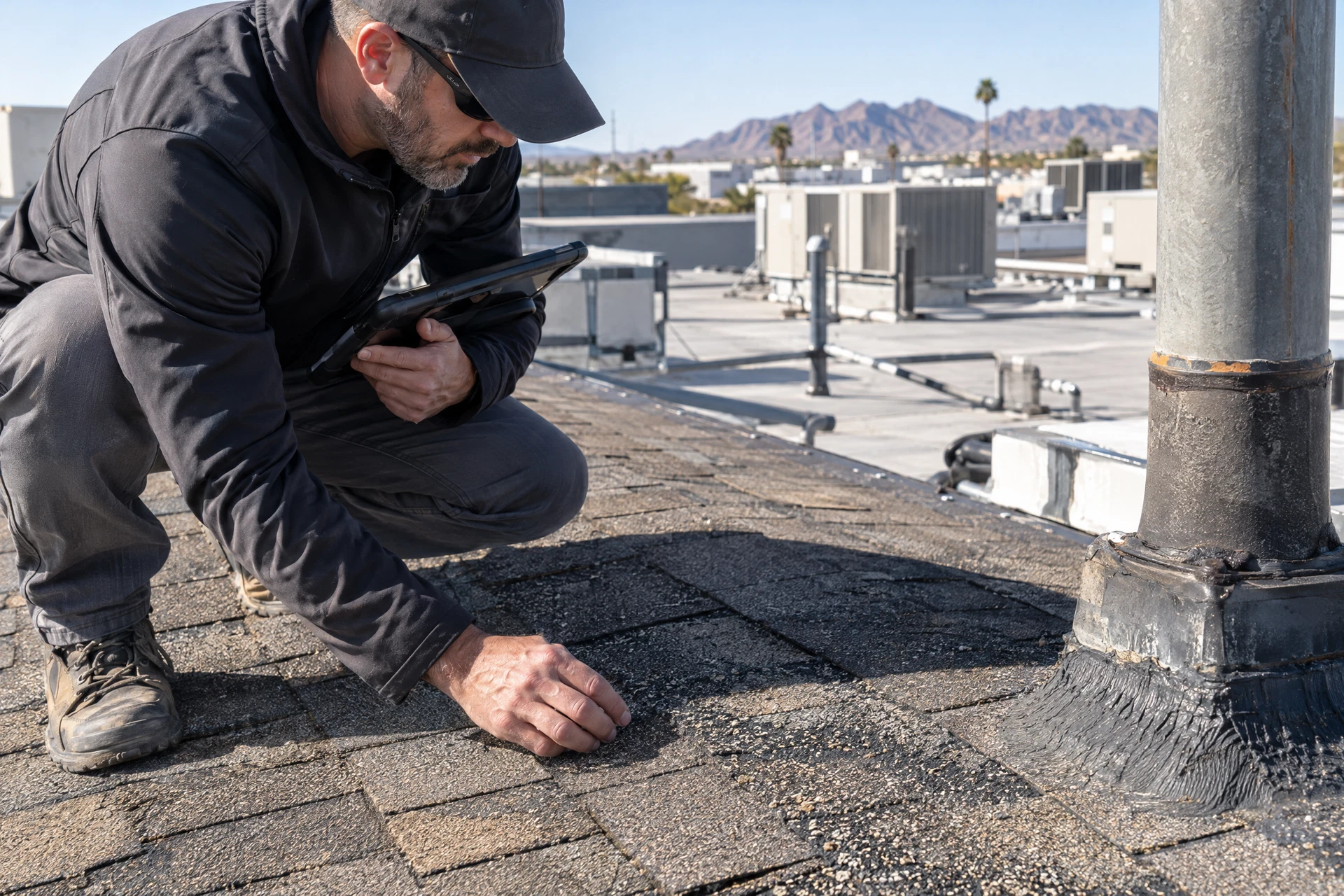
Shingle coating has a narrow compatibility gate. Review shingle condition, granule retention, manufacturer guidance, penetrations, and code considerations before specifying work.
Explore Shingle Roof CoatingBenefits of Coating Your Roof
A coating plan can give a sound commercial roof a defined restoration path while reducing tear-off activity. Benefits depend on substrate condition, preparation, product selection, and maintenance.
An inspection-led scope shows which areas are coating candidates, which details need repair, and which conditions require a different decision.
Topside work can be organized around access routes, rooftop equipment, deliveries, tenants, and usable work windows. Phasing gives facility managers a clearer sequence.
Seams, flashings, penetrations, fasteners, and equipment transitions receive attention before broad coating work. Detail documentation keeps a generic material choice from driving the project.
Phoenix planning includes heat, dust, wind, and monsoon exposure. The National Weather Service defines official monsoon season as June 15 through September 30, so timing and curing conditions belong in the discussion.
A Clear Commercial Roof Coating Process
The process connects roof condition to access planning, system selection, and work sequencing. Each step produces information needed for the next decision.
Review roof type, surface condition, seams, flashings, penetrations, drains, equipment, access points, and visible concerns. Identify coating-ready sections and conditions needing a separate decision.
Record loading routes, tenant or staff movement, HVAC service paths, staging limits, and work windows. This creates a practical plan for moving people and materials around the work area.
Set out cleaning, seam work, detail reinforcement, primer needs, and repair boundaries. Wet insulation, structural damage, and drainage problems require evaluation instead of a coating assumption.
Compare Metal Roof Coating, Silicone Roof Coating, Acrylic Roof Coating, Spray Foam Roofing, and Shingle Roof Coating against the inspected substrate and planned use.
Agree on sections, access controls, equipment protection, loading coordination, weather checks, and final review points. Call +1 (623) 310-0168 or Get A Free Estimate to discuss the property.
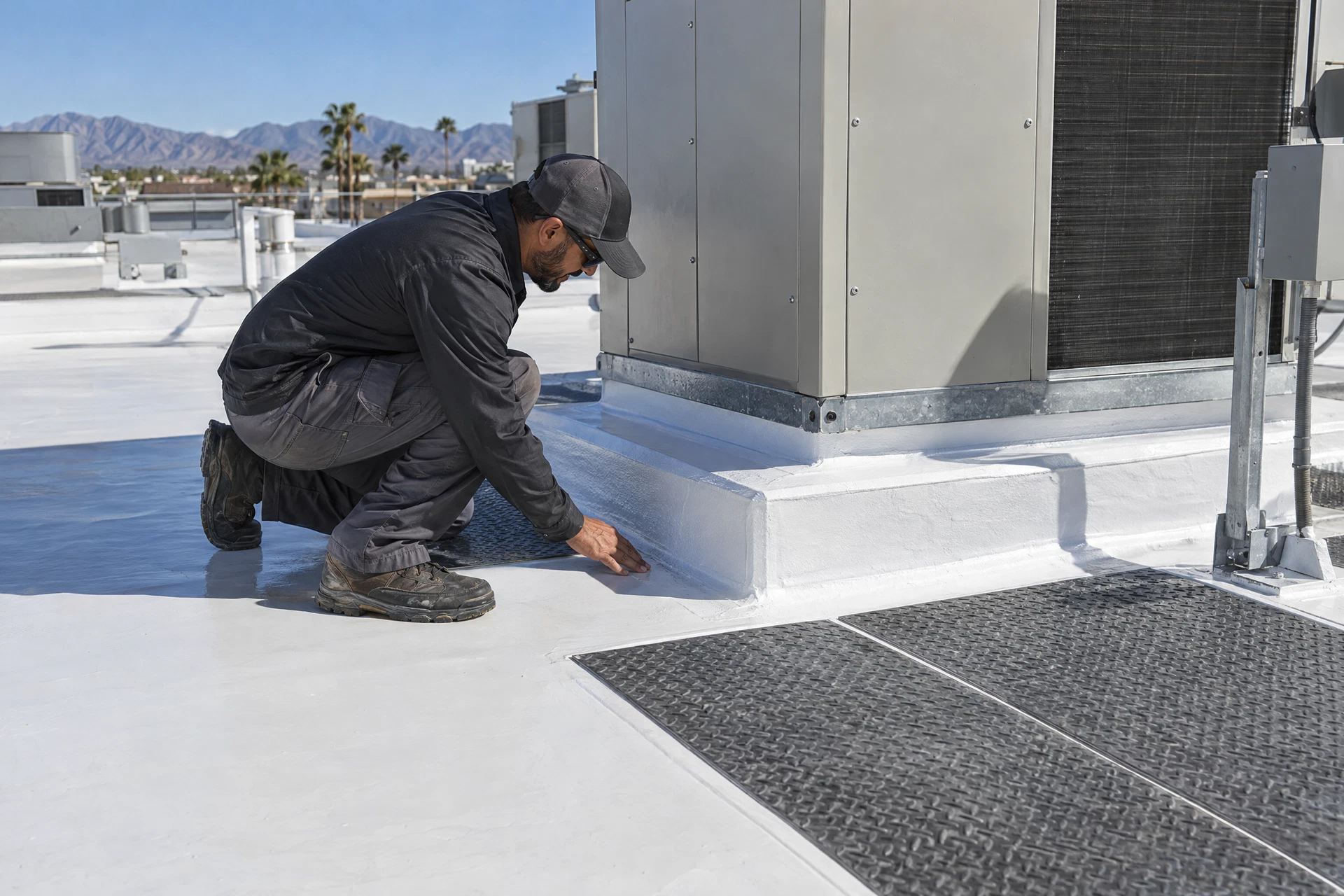
Access Context Near Deer Valley Airport
Deer Valley Airport provides commercial-property context for access planning, without implying any airport project or customer relationship.
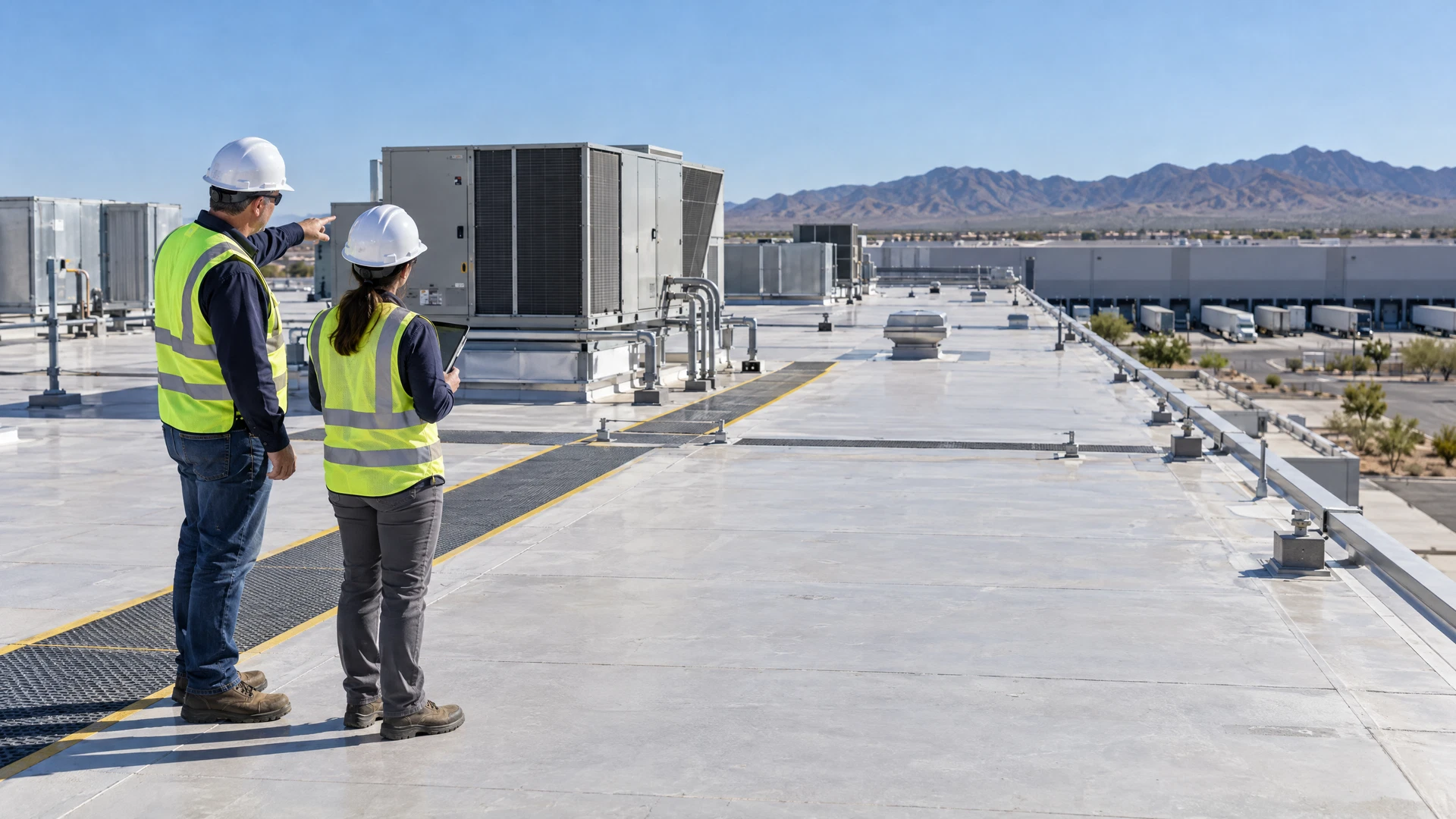
Deer Valley Airport is approximately 15 miles north of downtown Phoenix near I-17 and Loop 101. South-side access is associated with Deer Valley Road, while Airport Road and Seventh Street serve the north side. A property-specific inspection still determines access and staging.
For commercial properties near major access routes, discuss delivery timing, parking, gates, material movement, and rooftop service paths early. The same planning discipline applies across the six approved service areas.
Service Area Questions
Property owners and facility managers often need practical answers before they request a roof coating scope.
Deer Valley Roof Coating serves North Mountain, North Gateway, Desert View, Anthem, New River, and Desert Hills for commercial roof coating discussions. A property inspection is still needed to review roof condition, access, equipment, loading, and the work window. The exact scope depends on the property and inspection findings.
Yes. Planning can account for HVAC units, vents, drains, penetrations, service routes, loading areas, deliveries, and tenant movement. Those details help define staging and sequencing. The inspection records site constraints so the scope reflects how the commercial property operates. Discuss those conditions before setting a work sequence or material scope. This review supports practical planning.
A coating may fit when the substrate and existing system are suitable for preparation and adhesion. Roof type, dryness, drainage, seams, penetrations, and surface condition guide the decision. Widespread wet insulation or structural damage requires evaluation before a coating scope is set.
Commercial operations can often continue when access, loading, rooftop equipment, and work zones are planned in advance. The sequence depends on the property and work involved. Discuss occupied areas, service routes, deliveries, and usable work windows before finalizing scope. A property-specific plan keeps operations and roof work aligned.
Weather belongs in preparation, application, and curing discussions. Heat, dust, wind, and rainfall can affect work conditions. The National Weather Service identifies June 15 through September 30 as official monsoon season in Phoenix. That supports careful planning, not a timing promise.
Permit requirements depend on project scope and property conditions. City of Phoenix guidance lists specific work exemptions and states that exemptions do not authorize code-violating work. Confirm applicable requirements before work begins. Scope review should happen before any work is scheduled.
Gather the property location, roof type if known, access concerns, rooftop equipment details, loading patterns, and preferred work windows. Then call +1 (623) 310-0168 or Get A Free Estimate. The first discussion can identify the information needed for a practical next step.
Next Roof Step
Bring the roof condition, access concerns, and building details into one commercial coating discussion.